📌 Disclaimer
Prices, schedules, tour details, flight routes, visa requirements, and all other information on this page are based on data at the time of writing. Fares, availability, and policies may change. Please verify current details on the official website before booking.
Why Visit Vienna ?#
Vienna, the capital of Austria , is a city steeped in history, culture, and elegance, making it a must-visit destination for American travelers. Known for its imperial palaces, stunning architecture, and vibrant arts scene, Vienna perfectly blends old-world charm with modern sophistication. The city’s rich musical heritage is palpable, having been home to legendary composers like Mozart, Beethoven, and Strauss, which adds a unique cultural depth to your visit.
Beyond its historical significance, Vienna boasts beautiful gardens, lively coffeehouse culture, and a plethora of museums that cater to every interest. The city’s commitment to preserving its heritage while embracing contemporary art and innovation creates an inviting atmosphere for all types of travelers. Whether you’re wandering through the opulent Schönbrunn Palace or enjoying a leisurely afternoon in one of its famous cafés, Vienna offers an experience that stays with you long after you leave.
Best Time to Visit Vienna#
Vienna is a year-round destination, but the best time to visit largely depends on what you want to experience.
Spring (March to May): Spring is a beautiful time to visit Vienna as the weather begins to warm up and the city comes alive with blooming flowers. Expect mild temperatures, averaging between 50°F to 65°F. Crowds are moderate, making it a pleasant time to explore. Additionally, hotel prices are generally lower compared to the summer months.
Summer (June to August): Summer is peak tourist season in Vienna, with warm temperatures ranging from 65°F to 80°F. While the city is bustling with visitors and numerous outdoor festivals, hotel prices can soar. If you don’t mind the crowds, this is an excellent time to enjoy Vienna’s vibrant street culture and open-air events.
Fall (September to November): Fall is another wonderful time to visit, as the weather remains mild and the summer crowds have thinned out. Temperatures range from 50°F to 70°F, and the fall foliage adds a beautiful backdrop to your sightseeing. Prices for accommodations also tend to drop after the summer rush.
Winter (December to February): Winter in Vienna offers a magical experience, especially around the holiday season. The city transforms into a winter wonderland with Christmas markets, festive lights, and cozy cafés. While temperatures can dip to around 30°F, the atmosphere is warm and inviting. However, be prepared for potential snowfall, which can make walking around a bit tricky. Prices may be lower, but be sure to book in advance for the Christmas season.
Where to Stay in Vienna#
Choosing the right neighborhood can enhance your experience in Vienna. Here are some recommendations across different budget tiers:
Budget: The Leopoldstadt district, just across the Danube Canal, offers affordable accommodation options and a vibrant atmosphere. This area is known for its parks and proximity to the city center, making it a great base for exploring.
Mid-Range: The Margareten district strikes a balance between affordability and convenience. It’s a residential area with a local vibe, yet still close to public transportation. Here, you can find comfortable hotels and guesthouses that cater to mid-range budgets.
Luxury: For those seeking an indulgent experience, the Innere Stadt (the historic city center) is the place to be. This area is home to high-end hotels and is within walking distance of many iconic attractions. Staying here allows you to immerse yourself in Vienna’s history and elegance.
Local Experience: If you want a taste of local life, consider staying in the Neubau district. Known for its trendy shops and vibrant arts scene, this area is a bit further from the main tourist spots but offers a unique perspective of Vienna’s modern culture.
Top Things to Do in Vienna#
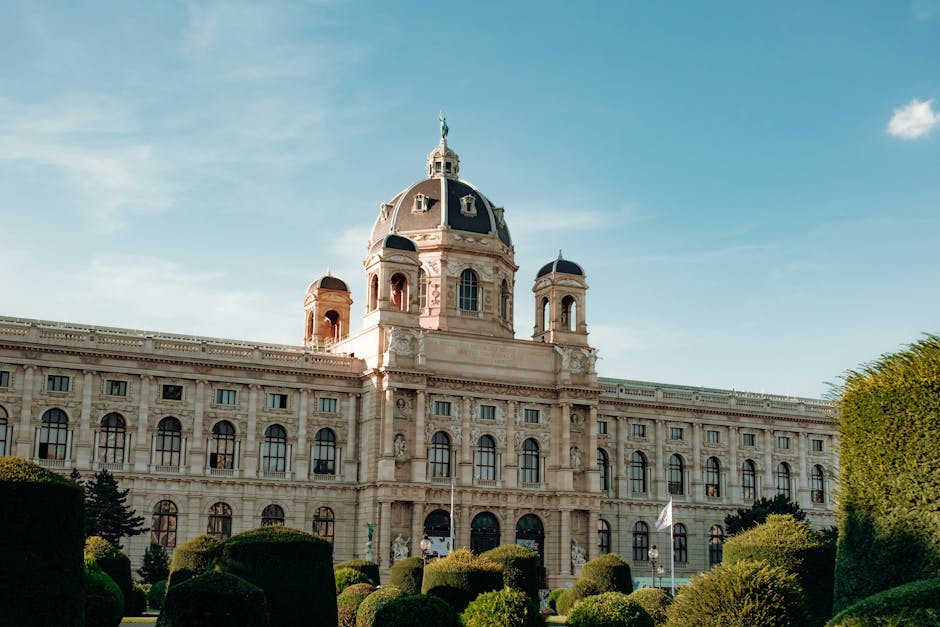
Schönbrunn Palace: This UNESCO World Heritage Site is a stunning example of Baroque architecture. Explore the opulent rooms, stroll through the expansive gardens, and don’t miss the Gloriette for panoramic views of the city.
St. Stephen’s Cathedral: A symbol of Vienna, this Gothic masterpiece is located in the heart of the city. Climb the tower for breathtaking views or explore the intricate interior and its stunning stained-glass windows.
Belvedere Palace: Home to an impressive collection of Austrian art, including Gustav Klimt’s “The Kiss,” the Belvedere is a beautiful palace complex with stunning gardens that are perfect for a leisurely walk.
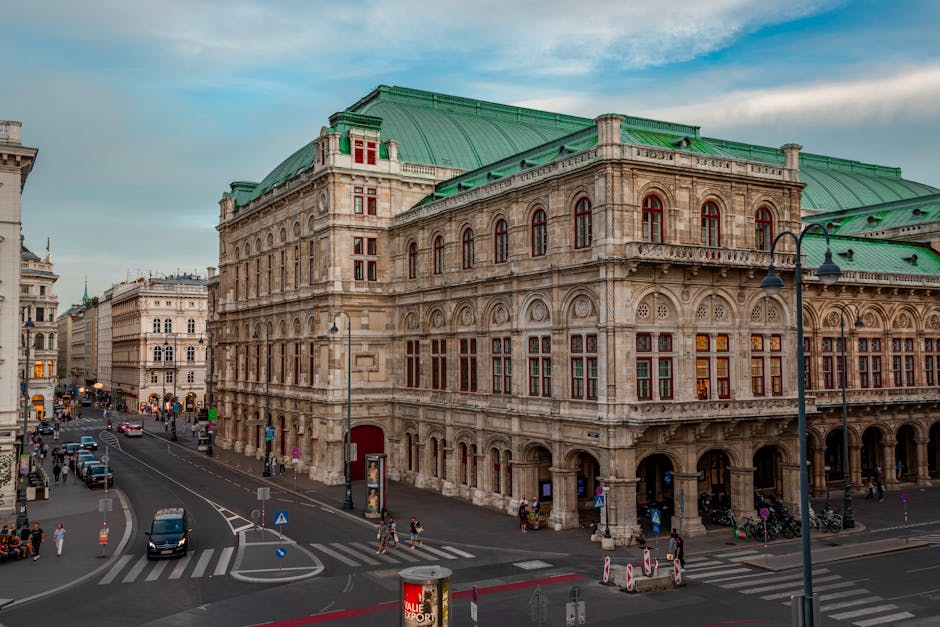
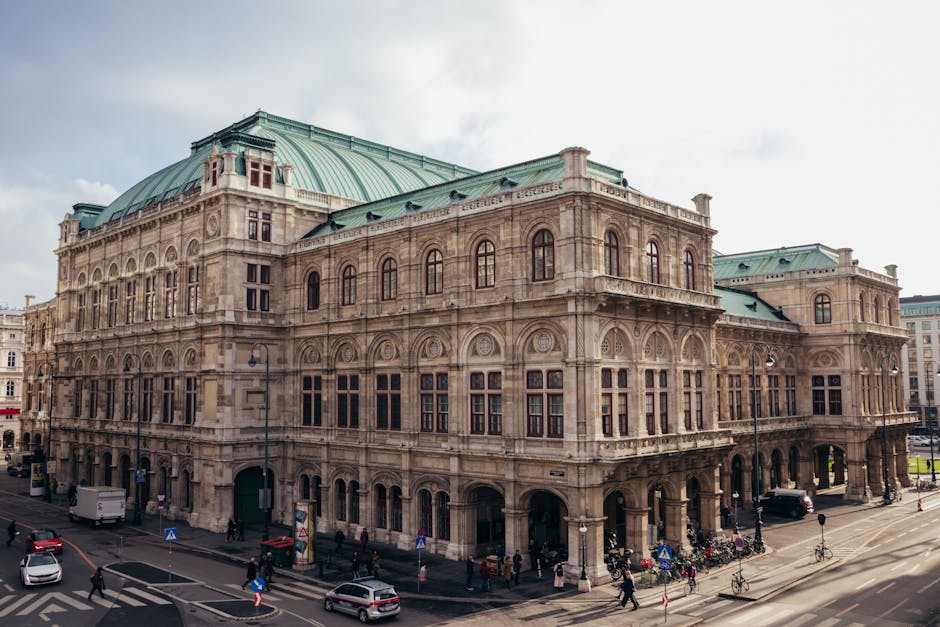
Vienna State Opera: Catch a performance at one of the world’s most famous opera houses. Even if you don’t attend a show, consider taking a guided tour to appreciate its grandeur and history.
Naschmarkt: This bustling market is a food lover’s paradise. Sample local delicacies, fresh produce, and international cuisine. It’s a great spot for lunch or to pick up unique souvenirs.
The Hofburg Palace: Once the imperial palace of the Habsburg dynasty, the Hofburg now houses several museums and the Austrian National Library. Take your time to explore the stunning architecture and rich history.
MuseumsQuartier: This cultural complex is home to several museums, including the Leopold Museum and the Museum of Modern Art. It’s a hub for art lovers and often hosts events and exhibitions.
Prater Park: Known for its iconic Ferris wheel, Prater Park is a great place to relax and enjoy some outdoor fun. You can stroll along the paths, rent a bike, or enjoy various amusement rides.
Vienna Woods: If you’re looking for a break from the city, the Vienna Woods offer beautiful hiking trails and scenic views. It’s a perfect day trip for nature lovers.
Coffeehouse Culture: No trip to Vienna is complete without experiencing its famous coffeehouse culture. Spend an afternoon sipping coffee and indulging in a slice of Sachertorte or Apfelstrudel while enjoying the ambiance of one of the city’s historic cafés.
Food and Dining Guide#
Vienna’s culinary scene is a delightful mix of traditional Austrian fare and modern dining experiences. Here are some local cuisine highlights you shouldn’t miss:
Wiener Schnitzel: This iconic dish features a breaded and fried veal cutlet, typically served with potato salad or lingonberry sauce. It’s a must-try for any visitor.
Apfelstrudel: A delicious apple pastry wrapped in thin layers of dough, Apfelstrudel is often served warm with a dusting of powdered sugar and a scoop of vanilla ice cream.
Sachertorte: This famous chocolate cake, with a layer of apricot jam and dark chocolate icing, is a Viennese classic. Enjoy it at a traditional café for the full experience.
Tafelspitz: A dish of boiled beef served with root vegetables and horseradish, Tafelspitz is a hearty meal that showcases Austria’s culinary roots.
Street Food: Don’t miss the chance to try local street food like Käsekrainer (cheese-filled sausage) or Langos (deep-fried flatbread topped with sour cream and cheese) at markets or food stalls.
For a more formal dining experience, seek out restaurants that emphasize seasonal and locally sourced ingredients. Many places offer fixed-price menus that provide a taste of various traditional dishes.
Getting Around Vienna#
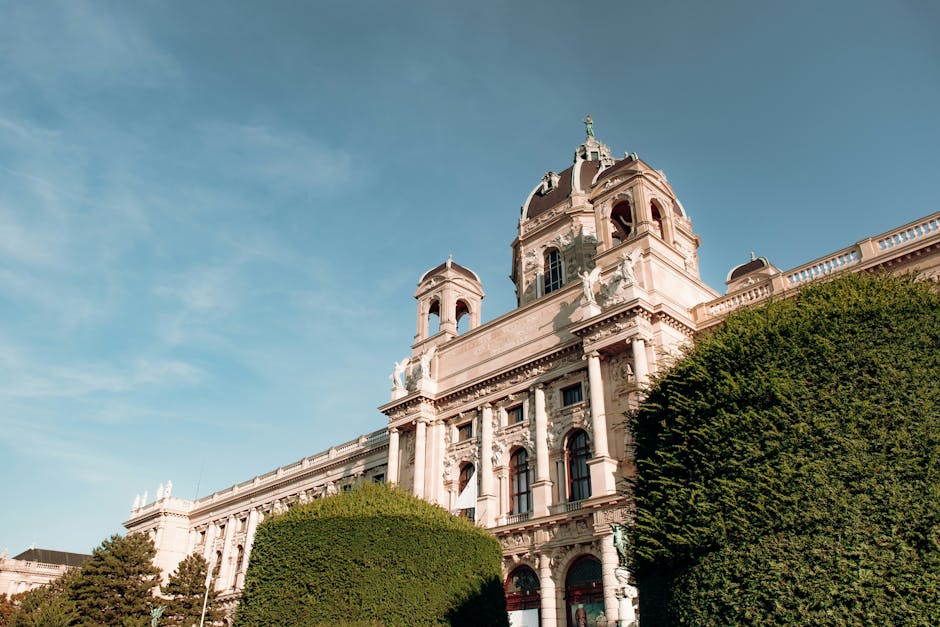
Vienna boasts an efficient and comprehensive public transportation system, making it easy to navigate the city. The Vienna U-Bahn (subway), trams, and buses connect you to all major attractions. A single ticket allows for transfers between different modes of transport within a certain timeframe, so it’s economical and convenient.
Public Transit: Consider purchasing a Vienna Card, which offers unlimited travel on public transportation for a set number of days, along with discounts at various attractions.
Walking: Many of Vienna’s key sights are within walking distance, especially in the historic city center. Strolling the cobblestone streets is a fantastic way to soak in the city’s charm.
Taxis and Ride-Sharing: Taxis are available throughout the city, but they can be more expensive. Ride-sharing services are also operating in Vienna, providing an alternative for getting around.
Rental Cars: While it’s possible to rent a car, it’s generally not necessary for exploring Vienna. Traffic can be heavy and parking limited in the city center. If you plan to venture into the surrounding countryside, consider renting a car for a day trip.
Budget Breakdown#
Your daily budget in Vienna can vary significantly based on your travel style:
Budget Travelers: Expect to spend around $60-100 per day. Accommodation in budget hotels or hostels can range from $30-50, meals can be found for $10-20, and public transportation is inexpensive.
Mid-Range Travelers: A daily budget of $150-250 is reasonable. Mid-range hotels typically cost $70-150, meals at casual restaurants can range from $15-30, and you might spend around $10 on public transit.
Luxury Travelers: For a more luxurious experience, budget around $300+ per day. High-end hotels can start at $200 and go up, fine dining experiences can range from $50-100 per meal, and private transport options will increase your daily expenses.
Travel Tips for Vienna#
Safety: Vienna is one of the safest cities in Europe. However, as with any tourist destination, be mindful of your belongings and stay aware of your surroundings.
Tipping: Tipping is customary but not obligatory. Rounding up the bill or leaving a 5-10% tip at restaurants is appreciated.
Language: While German is the official language, many locals speak English, especially in tourist areas. Learning a few basic German phrases can enhance your experience.
SIM Cards: If you need mobile data, consider purchasing a local SIM card upon arrival. Many shops and kiosks offer affordable prepaid options.
Scams to Avoid: Be cautious of street performers asking for money and vendors selling overpriced souvenirs. Stick to reputable shops and markets for your purchases.
Public Transport Etiquette: When using public transport, be sure to give up your seat for elderly passengers and keep noise levels down.
Museum Pass: If you plan to visit multiple museums, consider getting a museum pass, which can save you money on entrance fees.
If you’re considering exploring more of Europe, don’t miss out on our guides to Lake Bled, Slovenia or Cinque Terre, Italy . For a unique Northern European experience, check out our guide to Tallinn, Estonia .