📌 Disclaimer
Prices, schedules, tour details, flight routes, visa requirements, and all other information on this page are based on data at the time of writing. Fares, availability, and policies may change. Please verify current details on the official website before booking.
Photo by rojan gurung on Pexels
Why Visit Tokyo ?#
Tokyo is a vibrant metropolis that seamlessly blends the ultramodern with the traditional, creating a unique tapestry of experiences for travelers. From the neon-lit streets of Shibuya to the tranquil gardens of the Imperial Palace, the city offers something for everyone. Its rich history, cutting-edge technology, and diverse culinary scene make it a must-visit destination for those seeking adventure, culture, and a taste of the extraordinary.
One of Tokyo’s most enchanting features is its ability to cater to all interests. Whether you’re a history buff exploring ancient temples, a fashion enthusiast shopping in Harajuku, or a foodie indulging in sushi at Tsukiji Market, the city provides endless opportunities for exploration. With its efficient public transport system, getting around is a breeze, allowing you to maximize your time and dive deep into the many layers of this fascinating city.
Best Time to Visit Tokyo#
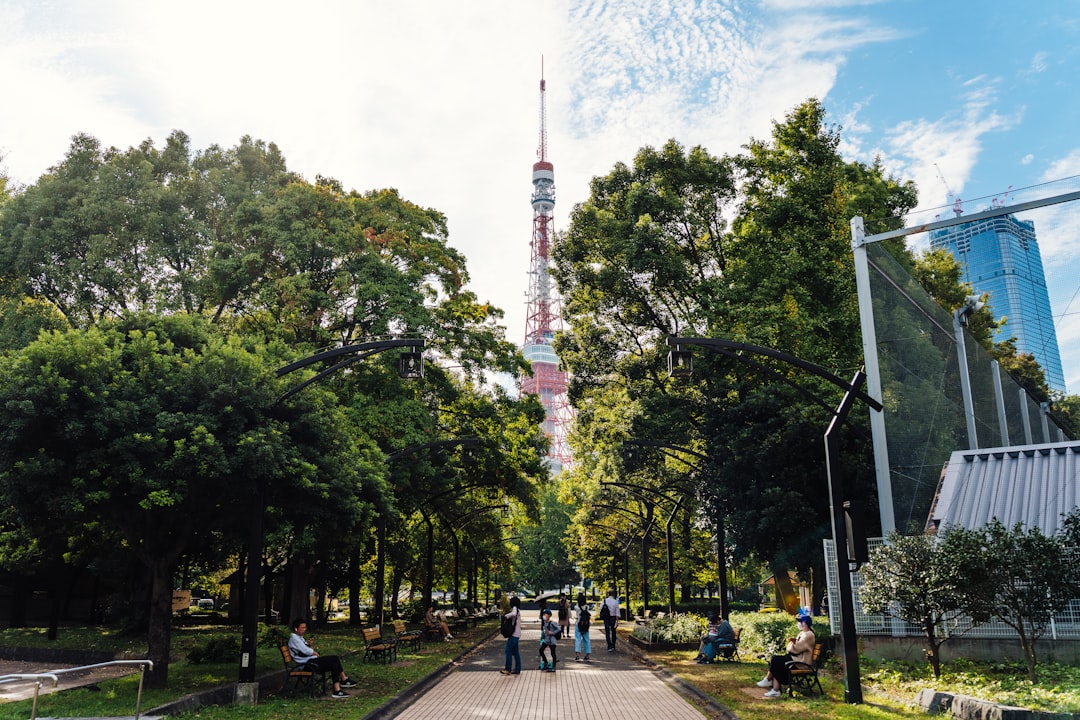
Tokyo is a year-round destination, but the best times to visit are spring (March to May) and autumn (September to November). During spring, cherry blossoms bloom in late March and early April, creating breathtaking landscapes that attract visitors from around the world. The weather is mild, with temperatures ranging from the mid-50s to 70s (°F), making it perfect for outdoor activities.
Autumn offers a similar appeal, with stunning fall foliage and comfortable temperatures. September can still be humid, but by October, the weather becomes crisp and pleasant. Crowds tend to swell during cherry blossom season and fall foliage, so if you prefer a quieter experience, consider visiting in late November or early March.
Summer (June to August) can be hot and humid, with temperatures often exceeding 90°F, while winter (December to February) is chilly but less crowded, with temperatures averaging in the 40s. Prices for flights and accommodations can fluctuate significantly, so booking in advance for peak seasons is advisable.
Where to Stay in Tokyo#
Tokyo boasts a variety of neighborhoods, each with its own charm and accommodations to suit different budgets.
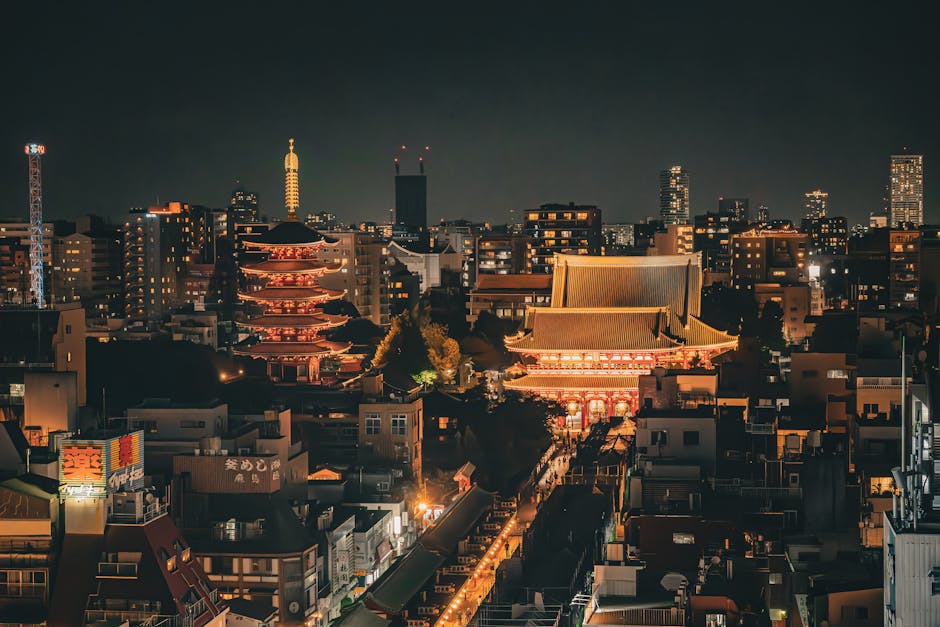
Budget: Areas like Asakusa and Ueno offer affordable hostels and guesthouses, making them ideal for budget travelers. Asakusa is known for its historic sights, including Senso-ji Temple, while Ueno provides easy access to parks and museums.
Mid-range: Shinjuku is a fantastic mid-range option, with numerous hotels and easy access to shopping, dining, and nightlife. The area is vibrant and bustling, showcasing the modern side of Tokyo while still being close to traditional attractions.
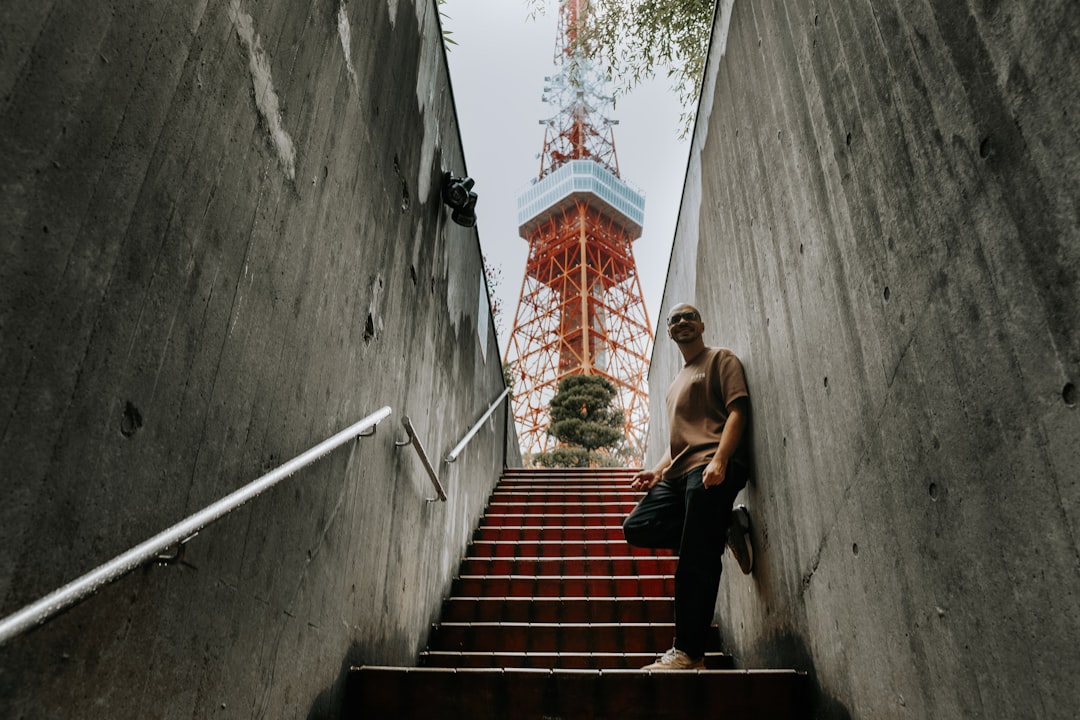
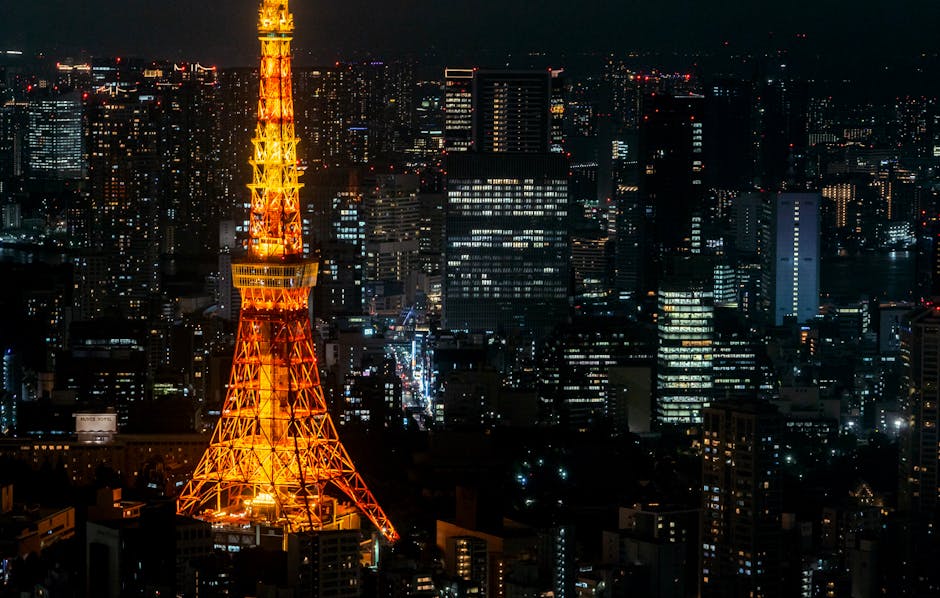
Luxury: For a luxurious stay, consider the Minato district, home to upscale hotels and a stunning view of Tokyo Bay. This area is also close to attractions like Roppongi Hills and the Tokyo Tower, combining elegance with convenience.
Local Experience: If you’re looking for a more local atmosphere, consider staying in Shimokitazawa, known for its bohemian vibe, vintage shops, and cozy cafes. It’s a bit off the beaten path but offers an authentic taste of Tokyo life.
Top Things to Do in Tokyo#
Shibuya Crossing: Experience the world’s busiest pedestrian crossing, where hundreds of people navigate through the intersection simultaneously. It’s an iconic Tokyo experience and a great spot for photos.
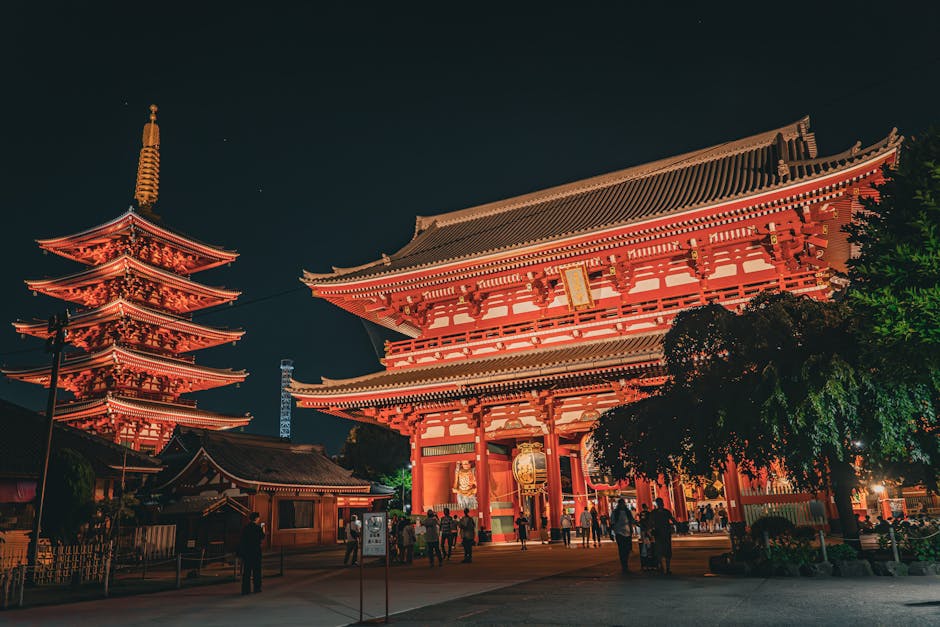
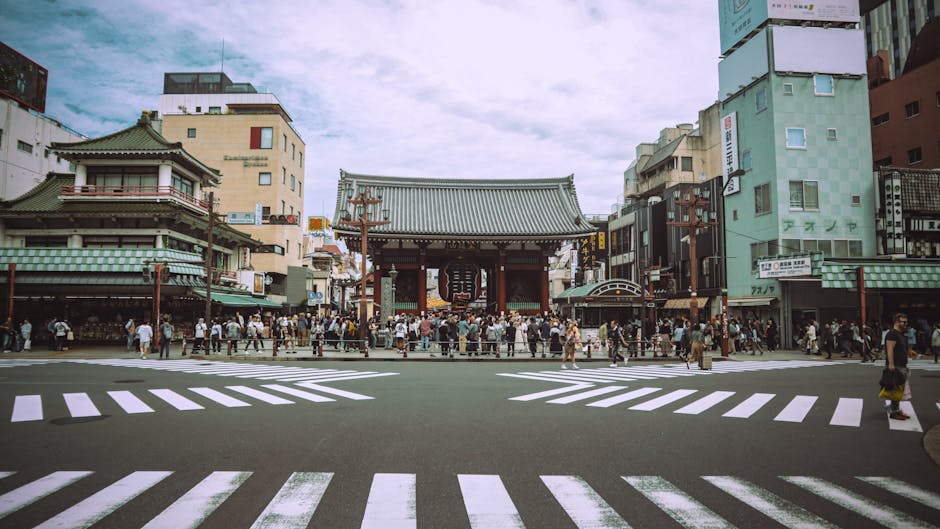
Senso-ji Temple: Located in Asakusa, this is Tokyo’s oldest temple, famous for its impressive gate and bustling Nakamise shopping street. It’s a serene escape from the city’s hustle and bustle.
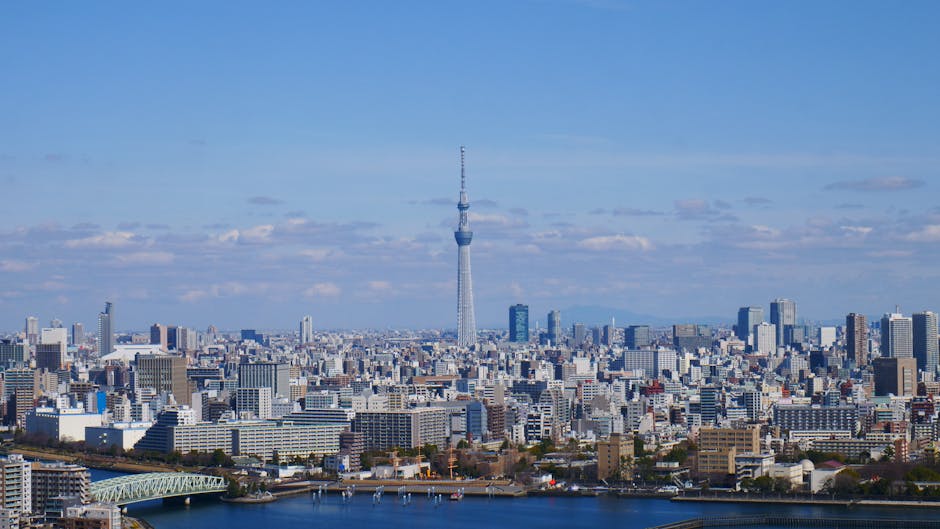
Tokyo Skytree: Standing at over 2,000 feet, this is the tallest structure in Japan . Take a trip to the observation deck for breathtaking panoramic views of the city.
Meiji Shrine: Nestled in a forested area, this Shinto shrine is dedicated to Emperor Meiji and Empress Shoken. It offers a peaceful retreat and a glimpse into Japan’s spiritual traditions.
Tsukiji Outer Market: While the inner wholesale market has moved, the outer market remains a vibrant hub for fresh seafood and local delicacies. It’s a must-visit for food lovers.
Akihabara: Known as the center of otaku culture, this district is filled with electronics shops, anime stores, and themed cafes. It’s a paradise for fans of pop culture.
Harajuku: Famous for its unique street fashion, Harajuku is a great place to explore quirky shops and enjoy people-watching. Don’t miss Takeshita Street, filled with trendy boutiques.
Ueno Park: A perfect spot for a leisurely stroll, Ueno Park is home to several museums, a zoo, and beautiful cherry blossoms in spring. It’s an ideal place to relax and soak in nature.
Odaiba: This futuristic island in Tokyo Bay features shopping, entertainment, and attractions like the teamLab Borderless art museum. It’s a fun day trip with stunning views of the Rainbow Bridge.
Yanaka District: For a taste of old Tokyo, wander through Yanaka, a neighborhood that survived WWII bombings. Here, you can find traditional houses, artisan shops, and a charming atmosphere.
Food and Dining Guide#
Tokyo is a culinary paradise, offering a vast array of dining options that cater to every palate. Japanese cuisine emphasizes fresh ingredients and presentation, making each meal an experience in itself.
Sushi: A trip to Tokyo wouldn’t be complete without trying sushi. Opt for a conveyor belt sushi restaurant for a casual experience or a more upscale sushi bar for a traditional omakase (chef’s choice) meal.
Ramen: This beloved noodle dish comes in various styles, each with its unique broth and toppings. Visit a ramen shop to savor a steaming bowl of this comforting dish.
Tempura: Lightly battered and deep-fried vegetables or seafood make for a delicious meal. Look for specialty tempura restaurants to enjoy this crispy delight.
Okonomiyaki: Often described as a savory pancake, okonomiyaki is a must-try dish. You can find restaurants where you cook it yourself or enjoy it made by skilled chefs.
Street Food: Don’t miss the chance to sample street food at markets. Try takoyaki (octopus balls), taiyaki (fish-shaped cakes filled with sweet red bean paste), and yakitori (grilled chicken skewers).
Getting Around Tokyo#
Tokyo’s public transport system is one of the most efficient in the world. The extensive network of trains and subways makes it easy to navigate the city. Purchase a prepaid Suica or Pasmo card for seamless travel on trains, buses, and even some convenience stores.
Taxis are available but can be expensive, so they are best used for short distances or when public transport isn’t convenient. Walking is also a great way to explore neighborhoods, especially in areas like Shibuya and Harajuku.
Renting a car is generally not recommended due to high parking fees and traffic congestion, but if you plan to explore surrounding areas, consider it for day trips outside the city.
Budget Breakdown#
When planning your trip to Tokyo, it’s essential to consider your budget. Here’s a rough estimate of daily expenses for different types of travelers:
Budget Traveler: Expect to spend around $60-80 per day. This includes accommodation at hostels, budget meals, and using public transport.
Mid-range Traveler: A daily budget of $150-250 is typical. This allows for a comfortable hotel stay, dining at mid-range restaurants, and some entrance fees for attractions.
Luxury Traveler: If you’re looking for a high-end experience, budget around $400+ per day. This includes luxury accommodations, fine dining, and private tours or experiences.
Travel Tips for Tokyo#
Safety: Tokyo is one of the safest cities in the world. Petty crime is rare, but always stay aware of your surroundings, especially in crowded areas.
Tipping: Tipping is not customary in Japan and can even be considered rude. Instead, show appreciation by saying thank you or leaving a positive review.
Language: While many signs are in English, learning a few basic Japanese phrases can enhance your experience. Locals appreciate the effort.
SIM Cards: Consider purchasing a SIM card or portable Wi-Fi device upon arrival for easy internet access during your stay. This can help with navigation and communication.
Cash vs. Card: While credit cards are accepted in many places, cash is still king in Japan. Make sure to carry yen for smaller shops, markets, and restaurants.
Scams: Be cautious of overly friendly strangers who may try to lead you to specific shops or restaurants. Trust your instincts and do research before engaging.
By following this guide, you’ll be well-prepared to explore the wonders of Tokyo, Japan. Whether you’re visiting the bustling streets or uncovering hidden gems, your adventure in this incredible city will surely be unforgettable. If you’re also considering a trip to Taipei, Taiwan , check out our guide for more travel inspiration!