📌 Disclaimer
Prices, schedules, tour details, flight routes, visa requirements, and all other information on this page are based on data at the time of writing. Fares, availability, and policies may change. Please verify current details on the official website before booking.
Photo by Wyatt Simpson on Unsplash
Why Visit Rome ?#
Rome, the Eternal City, is a mesmerizing blend of history, art, and culture that captivates every traveler. Walking through its ancient streets, you can feel the echoes of the past, from the grandeur of the Roman Empire to the Renaissance masterpieces that adorn its museums and churches. The Colosseum, the Vatican, and the Pantheon are just a few of the iconic landmarks that draw millions of visitors each year. Yet, beyond these famous sites, Rome offers a vibrant atmosphere filled with charming piazzas, bustling markets, and delectable cuisine.
What makes Rome truly special is its ability to balance the old and the new. While the city is steeped in history, it also boasts a lively modern culture, with trendy neighborhoods, eclectic shops, and a thriving food scene. Whether you’re sipping espresso at a corner café or enjoying a leisurely stroll along the Tiber River, you’ll find that Rome is a city that invites you to slow down and savor every moment. The warmth of the locals, combined with the richness of its heritage, creates an experience that is both enriching and unforgettable.
Best Time to Visit Rome#
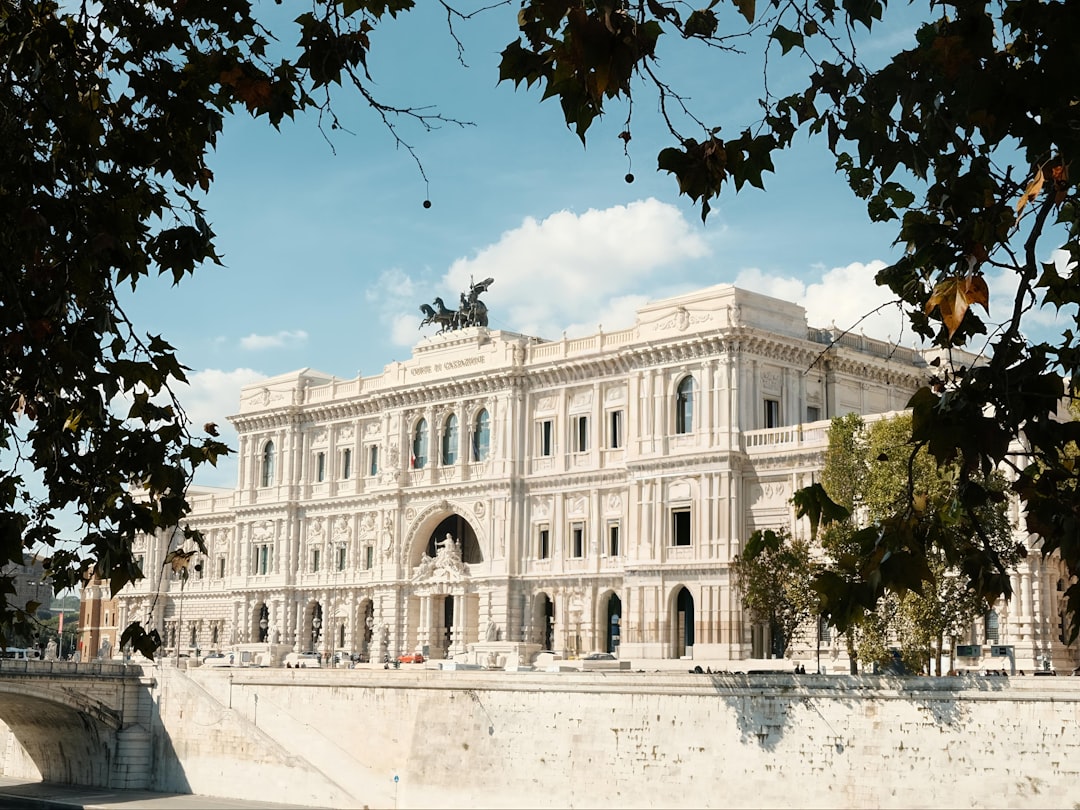
When planning your trip to Rome, timing is everything. The city enjoys a Mediterranean climate, with hot summers and mild winters. Here’s a seasonal breakdown to help you choose the best time for your visit:
Spring (March to May): This is arguably the best time to visit Rome. The weather is pleasantly warm, with temperatures ranging from the mid-50s to the low 70s°F. Spring also sees fewer crowds compared to the summer months, making it easier to explore popular attractions. Prices for accommodations and flights start to rise as Easter approaches, so early bookings are recommended.
Summer (June to August): Expect hot and humid weather, with temperatures often soaring into the 80s and 90s°F. This is peak tourist season, so attractions can be crowded, and prices for hotels and flights are at their highest. However, summer also brings vibrant street festivals and outdoor events, making it a lively time to experience the city’s culture.
Fall (September to November): Early fall is another wonderful time to visit. The weather cools down, with temperatures in the 70s°F, and the summer crowds begin to thin out. By late October, hotel prices tend to drop, making it a budget-friendly option for travelers. The fall foliage adds a unique charm to the city’s parks and gardens.
Winter (December to February): Winters in Rome are mild, with temperatures rarely dipping below the 40s°F. While this is the low season for tourism, it’s a great time to enjoy fewer crowds at major attractions and experience the festive atmosphere during Christmas. Just be aware that some attractions may have reduced hours.
Where to Stay in Rome#
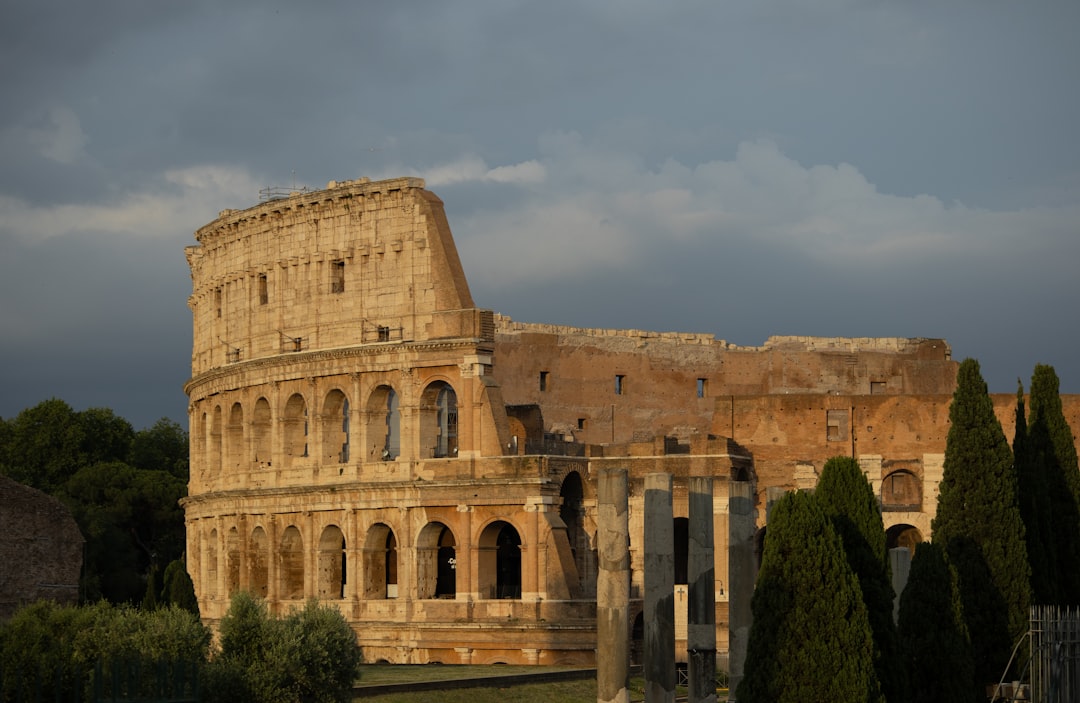
Choosing the right neighborhood can significantly enhance your Roman experience. Here are some recommendations across different budget tiers:
Budget: The Trastevere neighborhood is perfect for budget travelers. This charming area is known for its narrow cobblestone streets and vibrant nightlife. You can find budget accommodations, hostels, and guesthouses that fit a variety of styles. Plus, you’ll have easy access to local eateries and bars.
Mid-Range: If you’re looking for a balance between comfort and price, consider staying near the Vatican in the Prati district. This area offers a range of mid-range hotels and is within walking distance of St. Peter’s Basilica and the Vatican Museums. It’s a quieter neighborhood, making it ideal for families and those seeking a more relaxed atmosphere.
Luxury: For a luxurious experience, look no further than the Spanish Steps area. This upscale neighborhood boasts high-end hotels and boutique stays, with easy access to designer shopping and fine dining. The proximity to attractions like the Trevi Fountain and Villa Borghese makes it a prime location for those wanting to indulge in the best Rome has to offer.
Local Vibe: For a more authentic experience, consider the Testaccio neighborhood. Known for its local markets and traditional Roman cuisine, this area offers a glimpse into everyday life in the city. Accommodations range from charming B&Bs to boutique hotels, providing a unique and homey atmosphere.
Top Things to Do in Rome#
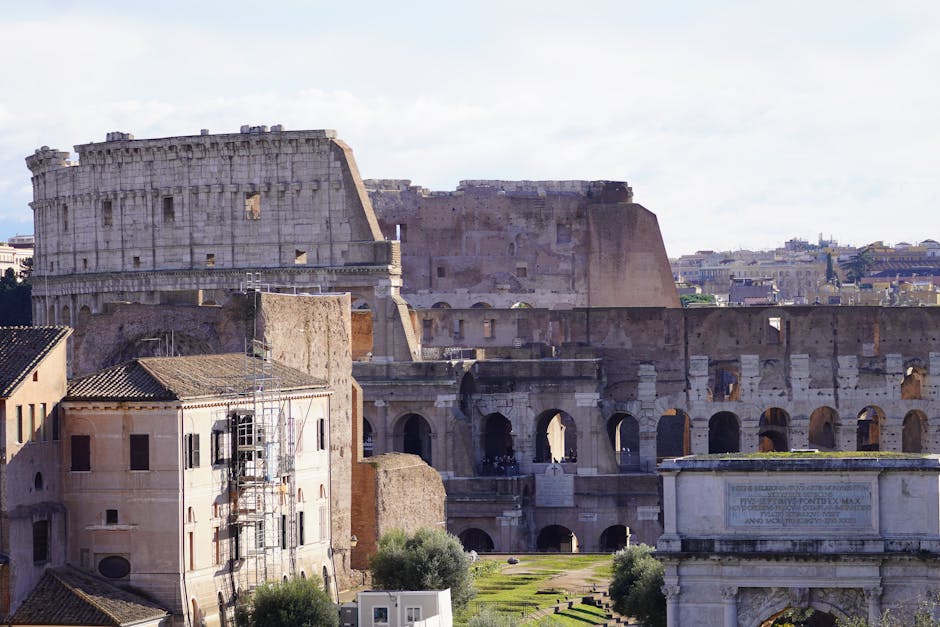
Rome is brimming with activities and attractions that cater to every interest. Here are some must-see sites and hidden gems:
Colosseum: No visit to Rome is complete without exploring the iconic Colosseum. This ancient amphitheater is a testament to Rome’s architectural brilliance and is steeped in history. Consider booking a guided tour to skip the lines and delve deeper into its fascinating past.
Vatican City: Home to St. Peter’s Basilica and the Vatican Museums, Vatican City is a treasure trove of art and history. Don’t miss the Sistine Chapel, where Michelangelo’s stunning frescoes will leave you in awe. Aim to visit early in the morning or late in the afternoon to avoid crowds.
Pantheon: This ancient temple, now a church, boasts the largest unreinforced concrete dome in the world. Its oculus allows natural light to illuminate the interior, creating a serene atmosphere. Entry is free, making it a must-visit landmark.
Trevi Fountain: Toss a coin into the Trevi Fountain to ensure your return to Rome. This stunning Baroque masterpiece is best visited early in the morning or late at night to avoid the throngs of tourists.
Trastevere: Wander through the picturesque streets of Trastevere, known for its charming atmosphere and vibrant nightlife. Explore local shops, enjoy a gelato, and stop by the Santa Maria in Trastevere church, one of the oldest in Rome.
Borghese Gallery: Art lovers should not miss the Borghese Gallery, where you can admire works by Caravaggio, Raphael, and Bernini. Reservations are required, so plan ahead to secure your spot.
Campo de’ Fiori: This lively market is a great place to experience local culture. By day, it’s a bustling marketplace; by night, it transforms into a hotspot for dining and socializing. Enjoy a meal at one of the nearby restaurants to savor authentic Roman cuisine.
Piazza Navona: Known for its beautiful fountains and vibrant atmosphere, Piazza Navona is a perfect place to relax with a coffee and people-watch. The square is lined with cafes and street performers, making it a lively hub.
Appian Way: For a unique experience, rent a bike and explore the ancient Appian Way. This historic road is lined with ruins, aqueducts, and catacombs, offering a glimpse into Rome’s past away from the hustle and bustle of the city center.
Testaccio Market: Experience local cuisine at the Testaccio Market. This food market offers a variety of local delicacies, street food, and fresh produce. It’s the perfect place to sample traditional Roman dishes in a casual setting.
Food and Dining Guide#
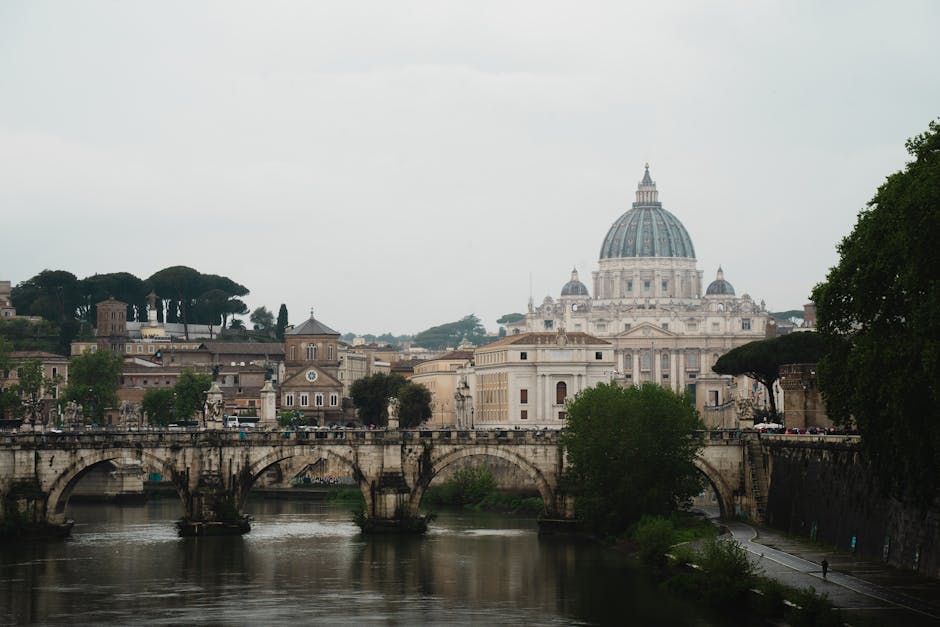
Rome is a gastronomic paradise, and trying local cuisine is a must. Here are some highlights and must-try dishes:
Pasta alla Carbonara: This classic Roman dish features spaghetti tossed with eggs, cheese, guanciale (cured pork cheek), and black pepper. It’s a simple yet rich dish that embodies Roman flavors.
Cacio e Pepe: Another pasta favorite, Cacio e Pepe is made with just three ingredients: pasta, Pecorino Romano cheese, and black pepper. It’s a testament to the beauty of simplicity in Roman cooking.
Supplì: These delicious rice balls are filled with mozzarella cheese and coated in breadcrumbs, then fried until golden. They’re a popular street food snack that you should definitely try.
Pizza al Taglio: For a casual meal, grab a slice of pizza al taglio, which is sold by weight. This style of pizza is thick and often topped with fresh ingredients, making it a favorite for locals.
Gelato: No trip to Rome is complete without indulging in authentic gelato. Look for artisanal gelaterias that use natural ingredients for a truly delicious treat.
When dining out, it’s common to see a mix of casual trattorias and upscale restaurants. For an authentic experience, opt for the former, where you can enjoy hearty meals in a relaxed atmosphere.
Getting Around Rome#
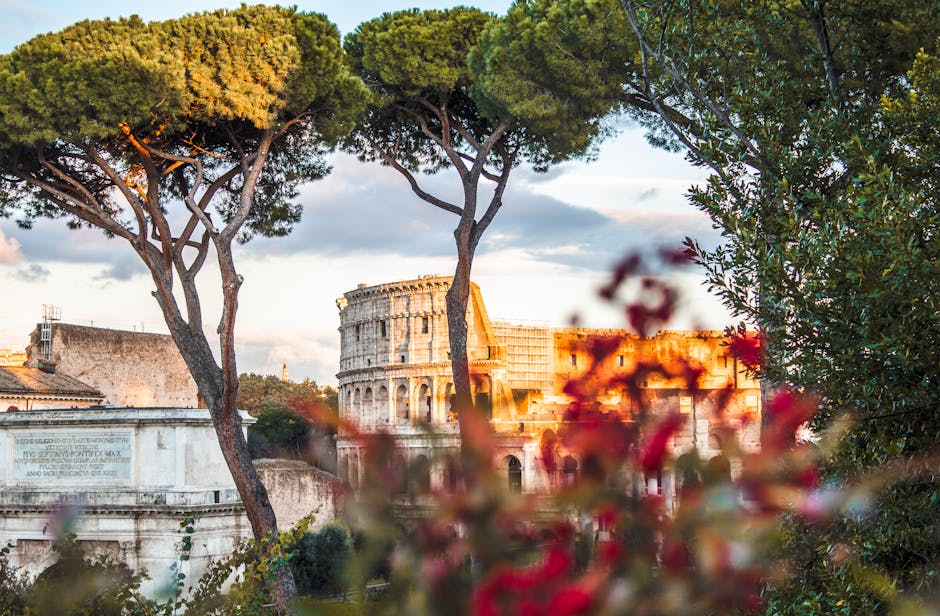
Navigating Rome is relatively easy, thanks to its extensive public transportation system. Here are some options to consider:
Public Transit: The city has a reliable network of buses, trams, and a metro system that can take you to most major attractions. Tickets can be purchased at kiosks or vending machines, and a single ticket is valid for 100 minutes across all modes of transport.
Walking: Rome is a city best explored on foot. Many of the main attractions are within walking distance of each other, and wandering through the streets allows you to discover hidden gems along the way.
Taxis: Taxis are available throughout the city, but it’s often more economical to use public transport or walk. If you do need a taxi, look for official taxi stands or use a ride-hailing app.
Rental Cars: Renting a car is not recommended for navigating Rome’s city center due to heavy traffic, narrow streets, and limited parking. However, if you plan to explore the surrounding regions, a car can be useful.
Budget Breakdown#
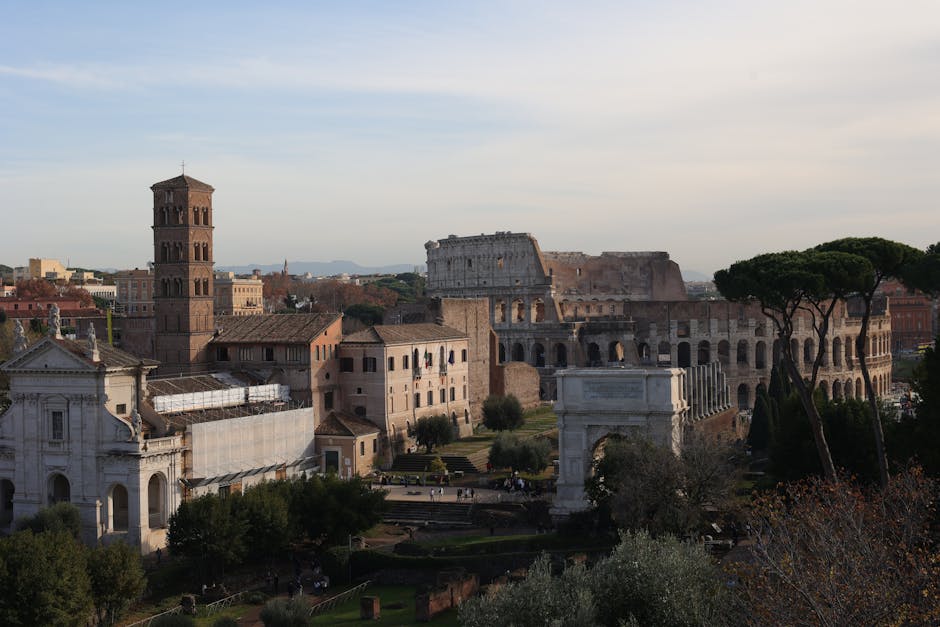
Understanding the costs associated with your trip can help you plan accordingly. Here’s a rough daily budget estimate:
Budget Travelers: Expect to spend around $50-100 per day. This includes budget accommodations, street food or casual dining, public transportation, and entrance fees to a few attractions.
Mid-Range Travelers: A budget of $150-250 per day is typical. This allows for comfortable accommodations, dining at mid-range restaurants, and more extensive sightseeing.
Luxury Travelers: For those seeking a premium experience, a daily budget of $300 and above is advisable. This includes luxury accommodations, fine dining, private tours, and exclusive experiences.
Travel Tips for Rome#
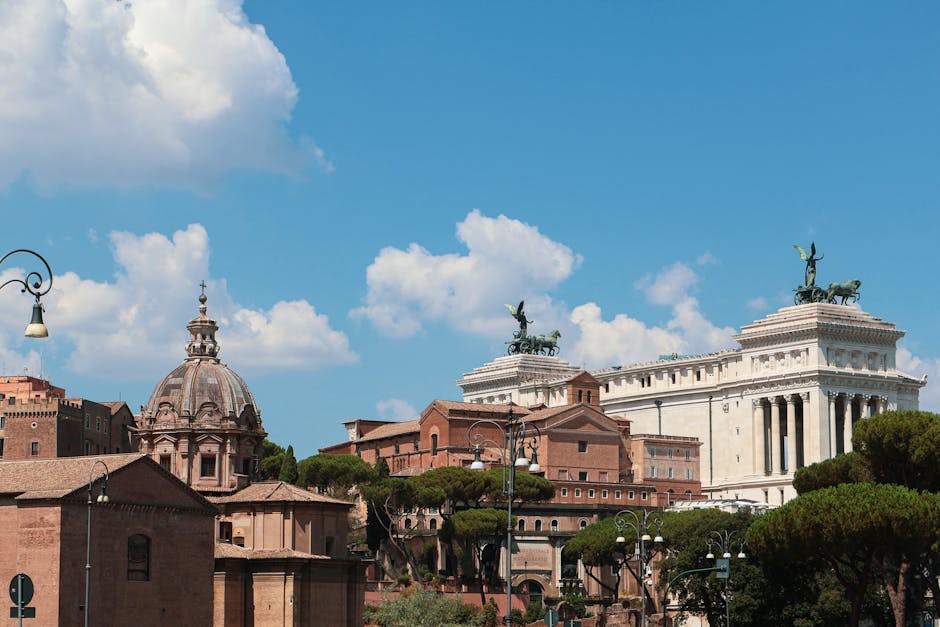
Safety: Rome is generally safe for tourists, but be mindful of your belongings, especially in crowded areas. Pickpockets are known to operate in popular tourist spots.
Tipping: Tipping is appreciated but not mandatory in restaurants. A small tip or rounding up the bill is common practice. For taxi drivers, rounding up to the nearest euro is sufficient.
Language: While many Romans speak English, learning a few basic Italian phrases can go a long way in showing respect for the local culture.
SIM Cards: If you need mobile data, consider purchasing a local SIM card upon arrival. Various shops throughout the city offer affordable options for tourists.
Scams to Avoid: Be cautious of individuals offering unsolicited assistance, as they may expect payment. Always use official services, especially for taxis and tours.
Plan Ahead: Popular attractions can get crowded, especially during peak season. Consider booking tickets in advance to avoid long lines and ensure entry.
Dress Code: When visiting churches and the Vatican, dress modestly. Shoulders and knees should be covered to adhere to the dress code.
With its rich history, stunning architecture, and mouthwatering cuisine, Rome is a destination that promises a memorable experience for every traveler. Whether you’re wandering through ancient ruins or indulging in a delicious meal, the Eternal City is sure to capture your heart. If you’re also considering a trip to Bruges, Belgium or Copenhagen, Denmark , check out our guides for more European adventures!