📌 Disclaimer
Prices, schedules, tour details, flight routes, visa requirements, and all other information on this page are based on data at the time of writing. Fares, availability, and policies may change. Please verify current details on the official website before booking.
Why Visit Prague ?#
Prague, the enchanting capital of the Czech Republic , is a city that seems to have leaped straight from the pages of a fairy tale. Its stunning Gothic and Baroque architecture, coupled with a rich history that dates back over a thousand years, makes it a captivating destination for travelers. The city’s charm lies not only in its breathtaking sights but also in its vibrant culture, arts scene, and welcoming atmosphere. As you stroll through the cobblestone streets of the Old Town, you’ll find yourself immersed in a blend of history and modernity that is uniquely Prague.
One of the standout features of Prague is its affordability compared to other European capitals. American travelers will find that they can enjoy a luxurious experience without breaking the bank. From historic landmarks like the iconic Charles Bridge to the picturesque views from Prague Castle, the city offers a wealth of experiences that cater to every type of traveler. Whether you’re a history buff, a foodie, or someone who simply appreciates beautiful scenery, Prague has something to offer.
Best Time to Visit Prague#
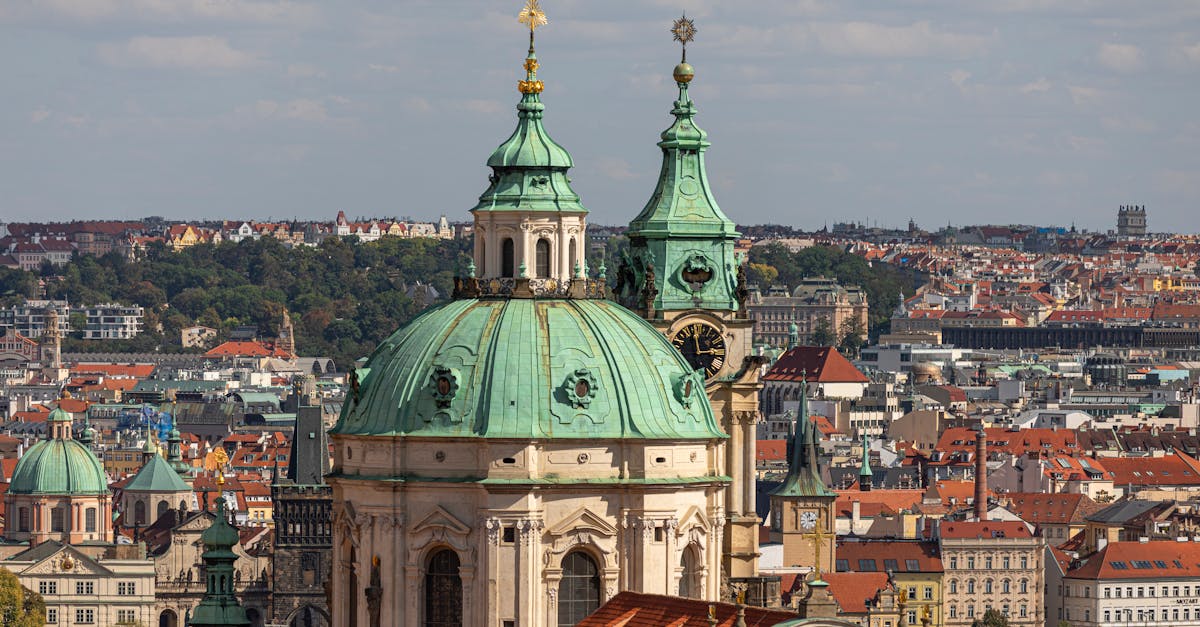
The best time to visit Prague largely depends on what you want to experience. Here’s a breakdown of the seasons:
Spring (March to May): Spring is one of the most delightful times to visit. As the flowers bloom and temperatures rise, the city comes alive with festivals and outdoor events. Average temperatures range from the mid-40s to mid-60s (°F), making it pleasant for exploration. Crowds are moderate, with tourism picking up in May.
Summer (June to August): Summer sees the highest tourist influx, with temperatures averaging between the mid-60s to low 80s (°F). While this is a vibrant time with outdoor concerts and events, it can also be crowded and more expensive, particularly in July and August. If you don’t mind the hustle and bustle, this season offers long days and lively street life.
Fall (September to November): Fall is another fantastic time to visit, with mild weather and beautiful foliage. September and October average temperatures in the 50s to 70s (°F), and the crowds thin out after the summer rush. Prices for accommodations and attractions often drop in November, making it a budget-friendly option.
Winter (December to February): Winter can be chilly, with temperatures dipping into the 20s and 30s (°F). However, visiting during this season offers a magical experience, especially around Christmas when the city is adorned with festive lights and markets. If you’re a fan of winter sports, nearby mountains offer skiing and snowboarding opportunities.
Where to Stay in Prague#
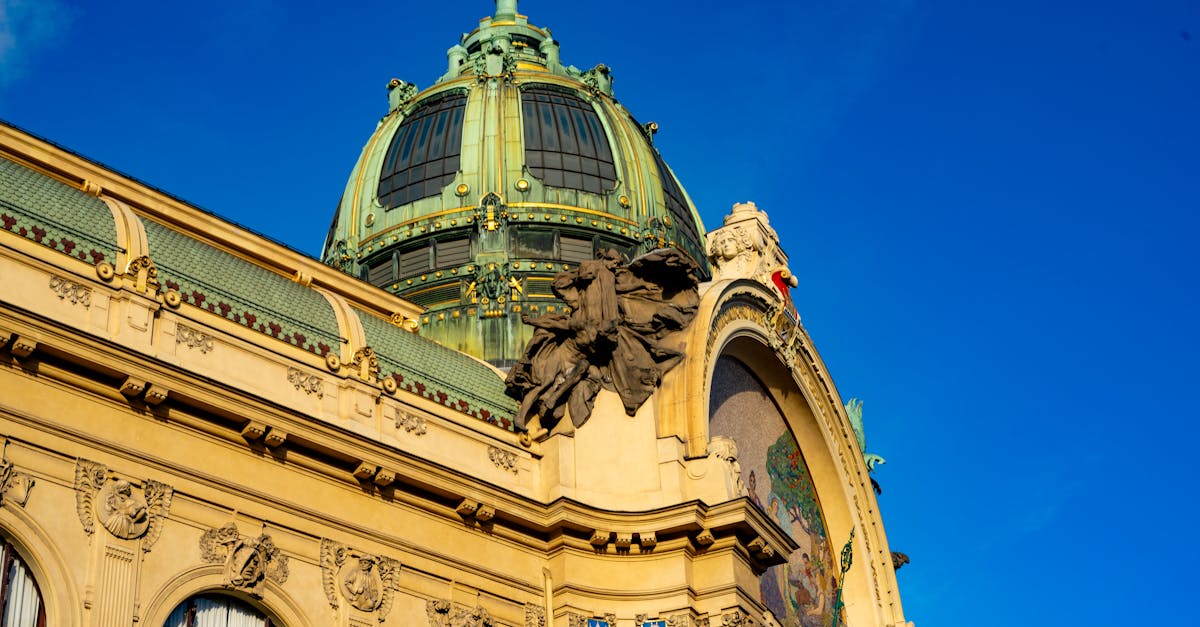
Prague offers a diverse range of accommodations to suit every budget and preference. Here are some neighborhoods to consider:
Old Town: For those who want to be in the heart of the action, Old Town is the place to be. This area is perfect for budget travelers who can find hostels and budget hotels starting around $30-50/night. You’ll be steps away from iconic sites like the Astronomical Clock and Charles Bridge.
Lesser Town (Malá Strana): Nestled below Prague Castle, Lesser Town provides a picturesque setting with its charming streets and quiet ambiance. Mid-range travelers will find boutique hotels and guesthouses that offer comfort and character, typically ranging from $70-150/night.
New Town (Nové Město): Just a short walk from Old Town, New Town is a vibrant area with a mix of modern and historical attractions. It’s a great choice for luxury travelers, with upscale hotels and amenities starting around $150/night. The area is also home to Wenceslas Square, a key cultural hub.
Vinohrady: This trendy neighborhood is known for its beautiful parks and local cafés. It’s slightly away from the tourist crowds, making it ideal for a more authentic experience. Mid-range to luxury accommodations can be found here, with prices ranging from $80-200/night.
Top Things to Do in Prague#
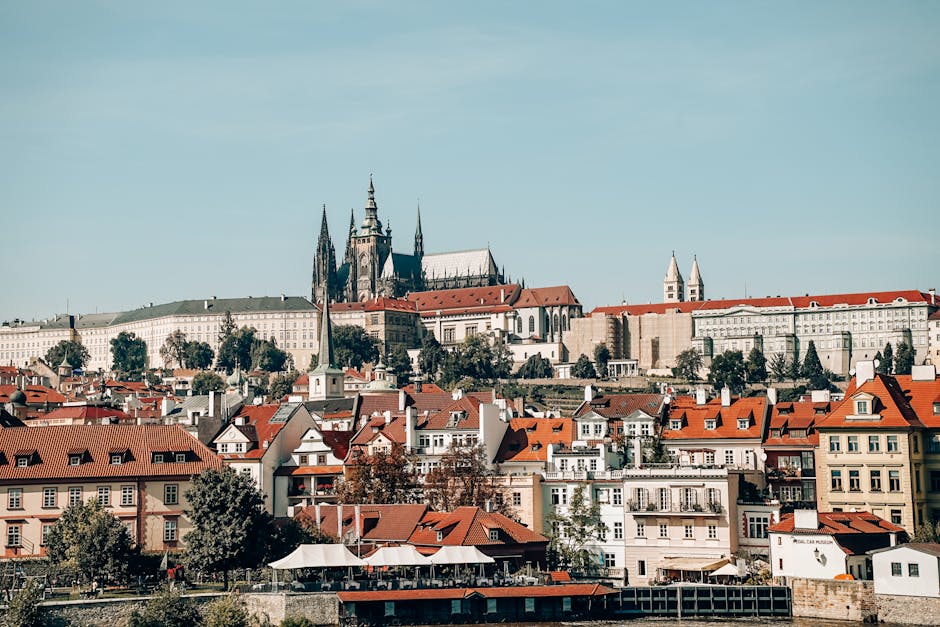
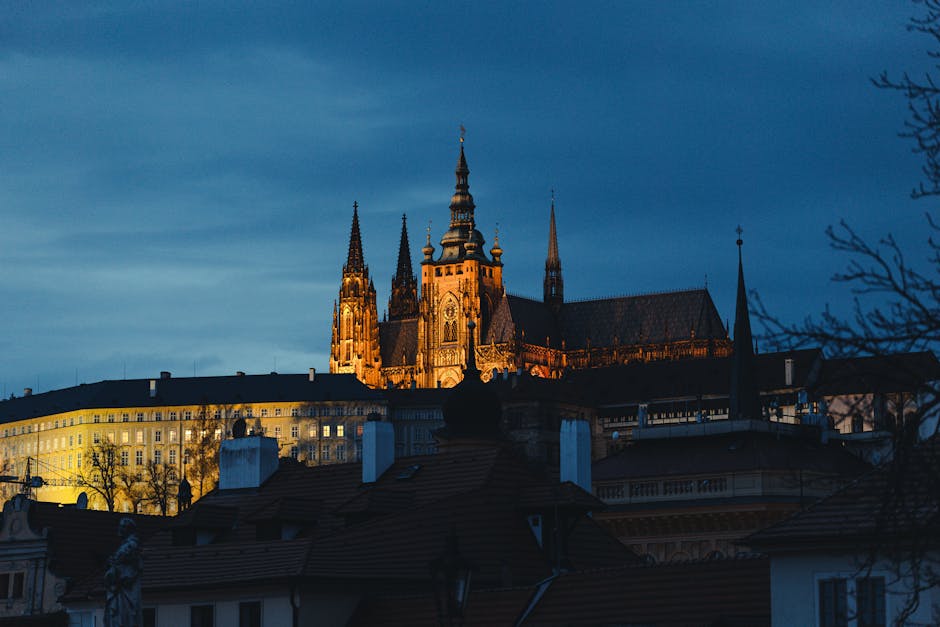
Prague Castle: Dominating the skyline, Prague Castle is a must-visit. Explore its stunning architecture, including St. Vitus Cathedral, and enjoy panoramic views of the city.
Charles Bridge: This historic bridge, adorned with statues, connects Old Town and Lesser Town. It’s particularly magical at sunrise or sunset when the crowds are fewer.
Old Town Square: The heart of Prague, this square is home to the Astronomical Clock and Týn Church. Don’t miss the hourly show of the clock!
Jewish Quarter (Josefov): Dive into the rich history of Prague’s Jewish community by visiting the Jewish Museum and several historic synagogues.
Petrin Hill: For nature lovers, a hike up Petrin Hill offers stunning views of the city. You can also visit the Petrin Lookout Tower, which resembles the Eiffel Tower.
Vyšehrad: This historic fort offers a quieter experience with beautiful gardens, the impressive Basilica of St. Peter and St. Paul, and stunning views over the Vltava River.
Lennon Wall: A symbol of peace and freedom, this ever-changing wall is filled with graffiti and artwork inspired by John Lennon and the Beatles.
Wenceslas Square: This bustling square is a central hub for shopping, dining, and history. It has witnessed many significant events in Czech history.
Kampa Island: A hidden gem, Kampa Island features tranquil parks, charming streets, and the famous “Peeing Statues” by David Černý.
Letná Park: For a local experience, head to Letná Park, where you can relax, enjoy a picnic, and take in breathtaking views of the city.
Food and Dining Guide#
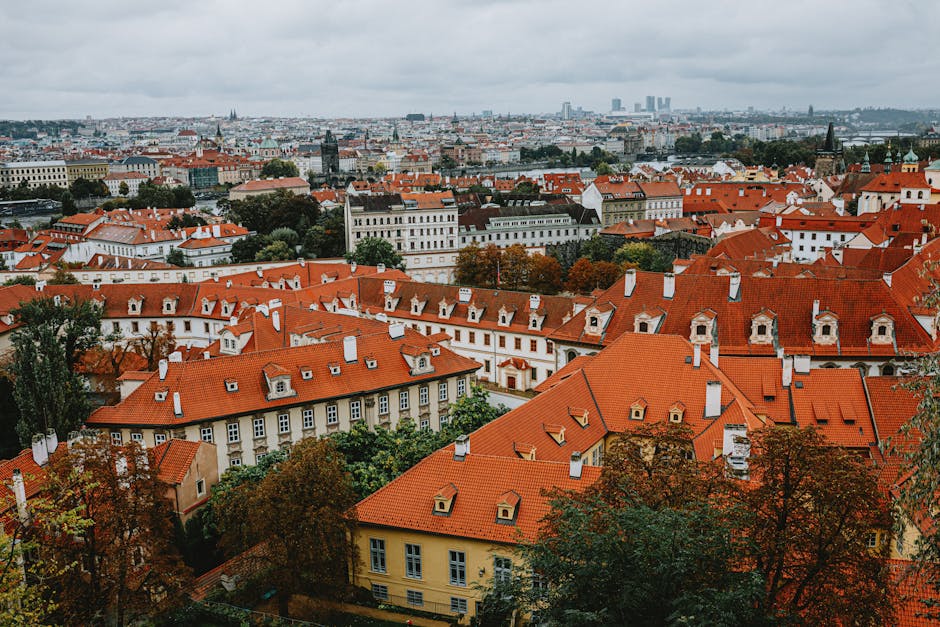
Czech cuisine is hearty and flavorful, with influences from neighboring countries. Here are some local highlights to savor during your visit:
Goulash: A traditional dish made with beef, vegetables, and spices, often served with bread or dumplings. It’s a comforting meal perfect for chilly days.
Svíčková: This dish features marinated beef served with a creamy sauce made from carrots, onions, and spices. It’s typically served with bread dumplings.
Trdelník: A popular street food, this sweet pastry is rolled in sugar and nuts and cooked over an open flame. It’s often filled with ice cream or whipped cream.
Pilsner Beer: The Czech Republic is famous for its beer, and trying a pint of Pilsner is a must. Many local pubs offer a variety of craft beers to sample.
Koláče: These sweet pastries come filled with fruit, cheese, or poppy seeds and make for a delightful snack or dessert.
For dining, you can choose between street food vendors for casual bites or traditional Czech restaurants for a full meal experience. Don’t shy away from exploring local eateries where you can enjoy authentic flavors without the tourist markup.
Getting Around Prague#
Prague boasts an efficient and user-friendly public transportation system, making it easy to navigate the city. Here’s how to get around:
Public Transit: The metro, trams, and buses are well-connected and cover most of the city. A single ticket is valid for 30 minutes and can be used on all modes of transport. Consider purchasing a travel pass for unlimited rides if you plan to explore extensively.
Walking: Many of Prague’s attractions are within walking distance of each other, especially in the Old Town. Walking allows you to soak in the city’s beauty at your own pace.
Taxis and Rideshares: While taxis are available, it’s advisable to use rideshare apps for better pricing and convenience. Always ensure the taxi meter is running to avoid overcharging.
Rental Cars: Renting a car is not recommended due to limited parking and the city’s compact nature. However, if you plan to explore nearby areas like Kutná Hora or Český Krumlov, a rental may be useful.
Budget Breakdown#
When planning your trip, it’s essential to consider your budget. Here’s a daily estimate based on different travel styles:
Budget Travelers: Expect to spend around $50-80 per day. This includes accommodation in hostels, meals at local eateries, and public transportation.
Mid-Range Travelers: A budget of $100-200 per day will allow for comfortable hotels, dining at a mix of casual and nicer restaurants, and entry fees to attractions.
Luxury Travelers: For a more upscale experience, plan for $250+ per day. This includes high-end accommodations, fine dining, and private tours or experiences.
Travel Tips for Prague#
Safety: Prague is generally safe for travelers, but be cautious of pickpockets in crowded areas. Keep valuables secure and be aware of your surroundings.
Tipping: Tipping is customary in Czech restaurants. A tip of around 10% is appreciated for good service, but check if a service charge is included in your bill.
Language: While many Czechs speak English, learning a few basic Czech phrases can enhance your experience and show respect for the local culture.
SIM Cards: If you need mobile data, consider purchasing a local SIM card upon arrival. They are available at airports and convenience stores.
Scams to Avoid: Be wary of overly friendly strangers offering unsolicited help or services, especially around tourist hotspots. Stick to official guides and services.
Currency: The local currency is the Czech koruna (CZK). Credit cards are widely accepted, but it’s wise to have some cash for smaller establishments.
Cultural Etiquette: Czechs value politeness. Greet people with a friendly “Dobrý den” (Good day) and always say “Děkuji” (Thank you) after receiving service.
Prague is a city that captivates the heart and soul, offering a blend of history, culture, and culinary delights. Whether you’re exploring its cobblestone streets or indulging in local flavors, your time in this magical city will surely be unforgettable. If you’re also considering a trip to Cinque Terre, Italy , or perhaps Split, Croatia , check out our guides for more travel inspiration.