📌 Disclaimer
Prices, schedules, tour details, flight routes, visa requirements, and all other information on this page are based on data at the time of writing. Fares, availability, and policies may change. Please verify current details on the official website before booking.
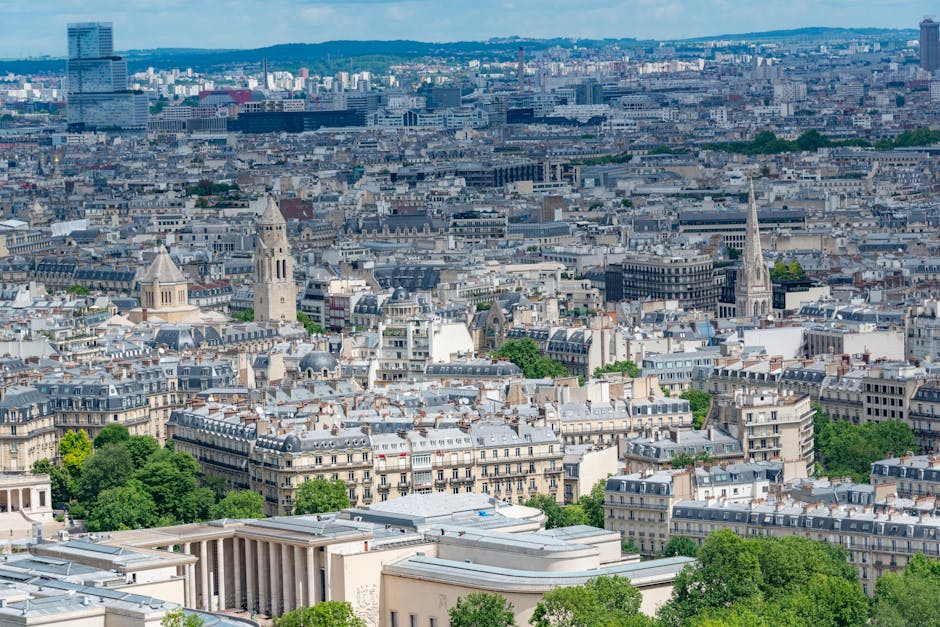
Photo by Gagan Kaur on Pexels
Why Visit Paris ?#
Paris, often referred to as “The City of Light,” is a destination that captures the hearts of millions every year. Its blend of rich history, stunning architecture, and vibrant culture creates a unique atmosphere that is both romantic and invigorating. Walking along the Seine River, you can feel the whispers of history from the grand palaces to the charming streets lined with cafés. Whether you’re gazing at the Eiffel Tower, exploring the Louvre, or simply enjoying a croissant at a local bakery, Paris offers an experience that feels both timeless and alive.
The city’s charm is further enhanced by its distinct neighborhoods, each with its own personality and flair. From the bohemian vibe of Montmartre to the elegant boulevards of the Marais, there’s something for everyone. Paris is also a hub for art, fashion, and gastronomy, making it a dream destination for travelers seeking inspiration and adventure. With a rich tapestry of experiences waiting to be uncovered, Paris stands as a quintessential destination for American travelers looking to explore the heart of France.
Best Time to Visit Paris#
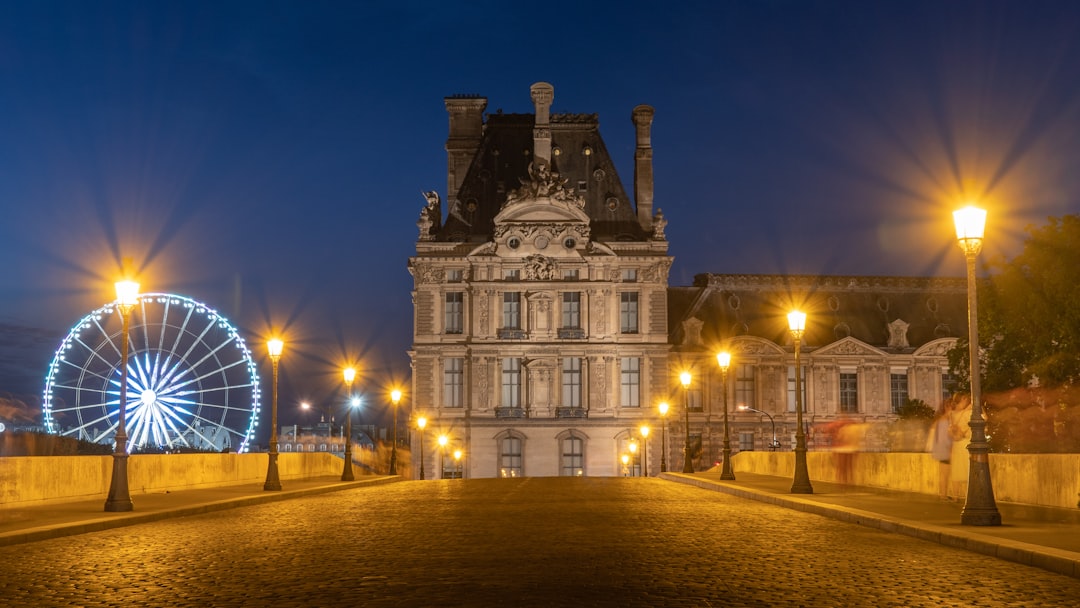
When planning your trip to Paris, timing can significantly enhance your experience. The city enjoys a temperate climate, with four distinct seasons, each offering a unique perspective on its beauty.
Spring (March to May): This is arguably the most picturesque time to visit Paris. The weather starts to warm up, with average temperatures ranging from 50°F to 70°F. Parks and gardens burst into bloom, making it perfect for leisurely strolls. Spring also sees fewer crowds compared to the summer months, allowing for a more intimate experience at popular attractions.
Summer (June to August): Summer brings warm weather, with temperatures often reaching the mid-70s°F. While the city is bustling with tourists, this is also when many outdoor events and festivals take place. However, be prepared for higher prices and larger crowds, especially at must-see landmarks.
Fall (September to November): Autumn in Paris is stunning, with the foliage transforming the parks into a canvas of colors. Temperatures range from 50°F to 70°F, and the tourist numbers begin to dwindle after the summer rush. This is an ideal time for those looking to enjoy the city without the crowds.
Winter (December to February): Winter brings a magical charm to Paris, especially around the holidays. Although temperatures can dip to the 30s°F, the city is beautifully decorated, and you can enjoy cozy cafés and festive markets. Prices for accommodations may be lower during this season, making it a budget-friendly option.
Where to Stay in Paris#
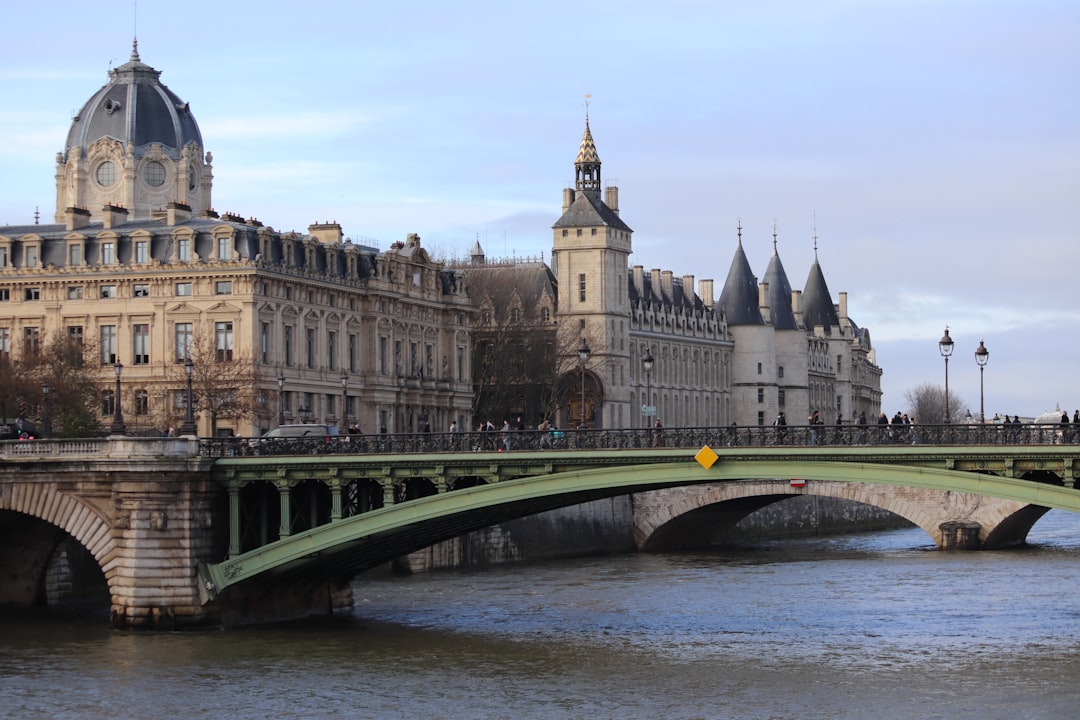
Choosing the right neighborhood can elevate your Paris experience. Here are some recommendations across different budget tiers:
Budget: Look for accommodations in areas like the Latin Quarter or Montmartre. These neighborhoods are not only affordable but also rich in culture and history. You’ll find budget hotels typically starting around $30-50/night, as well as charming hostels that offer a social atmosphere.
Mid-range: The Marais and Saint-Germain-des-Prés are excellent options for mid-range travelers. Here, you can enjoy a mix of boutique hotels and charming guesthouses that provide comfort without breaking the bank. Expect to pay around $100-200/night for a good quality stay.
Luxury: If you’re looking to splurge, consider staying in the 1st arrondissement or near the Champs-Élysées. These areas boast some of the city’s most luxurious hotels, with stunning views and top-notch amenities. Prices for luxury accommodations generally start around $300/night and can go significantly higher.
Top Things to Do in Paris#
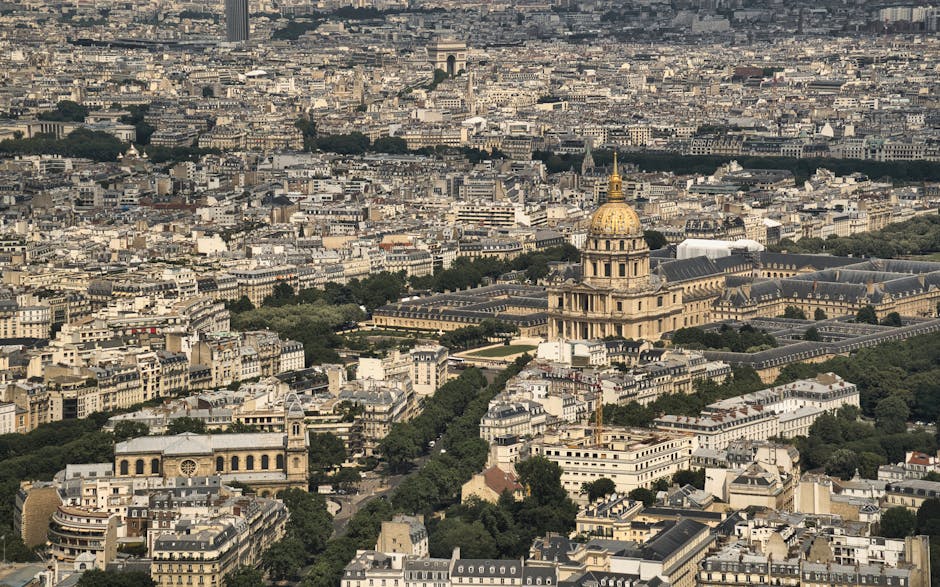
Paris is filled with iconic landmarks and hidden gems, ensuring that every traveler finds something that resonates with them:
Eiffel Tower: No trip to Paris is complete without a visit to this iconic structure. Climb to the top for breathtaking views of the city or enjoy a picnic in the nearby Champ de Mars.
Louvre Museum: Home to thousands of works of art, including the Mona Lisa and the Venus de Milo, the Louvre is a must-visit for art enthusiasts. Be sure to allocate a few hours to fully appreciate its vast collection.
Montmartre: Wander through the artistic streets of Montmartre, where you can visit the Basilica of Sacré-Cœur and enjoy stunning views of Paris. The area is also dotted with charming cafés and local artists.
Notre-Dame Cathedral: Although currently undergoing renovations, the Notre-Dame remains a symbol of Paris’s history and architecture. The surrounding Île de la Cité is worth exploring for its quaint streets and shops.
Seine River Cruise: A cruise along the Seine offers a unique perspective of Paris’s landmarks. Opt for a daytime cruise or a romantic evening option that showcases the city illuminated at night.
Palace of Versailles: A short train ride from the city, the opulence of Versailles is a must-see. Explore the magnificent gardens and the Hall of Mirrors, where history was made.
Le Marais: This historic district is known for its narrow streets, trendy boutiques, and vibrant art scene. Don’t miss the Place des Vosges, one of the oldest squares in Paris.
Sainte-Chapelle: Famous for its stunning stained glass windows, this chapel is a hidden gem that often gets overshadowed by larger attractions. Its breathtaking beauty is worth the visit.
Food Markets: Explore local food markets like Marché Bastille or Rue Cler for a taste of Parisian life. Sample fresh produce, cheese, and pastries while mingling with locals.
Canal Saint-Martin: For a more laid-back experience, stroll along the Canal Saint-Martin, lined with trendy cafés and boutiques. It’s an excellent spot for people-watching and soaking up the Parisian atmosphere.
Food and Dining Guide#

Paris is a gastronomic paradise, offering a wide range of culinary delights. Here are some local highlights and must-try dishes:
Croissants: Start your day with a fresh, flaky croissant from a local bakery. This quintessential French pastry is a breakfast staple.
Escargots: For the adventurous eater, escargots (snails) prepared with garlic butter are a delicacy that shouldn’t be missed.
Boeuf Bourguignon: This hearty beef stew, slow-cooked in red wine, is a classic French dish that showcases rich flavors and tender meat.
Ratatouille: A vegetable medley that reflects the flavors of Provence, ratatouille is a delicious vegetarian option that highlights seasonal produce.
Crêpes: Whether sweet or savory, crêpes are a must-try street food. Opt for a Nutella-filled version for dessert or a ham and cheese crêpe for a quick meal.
Dining options in Paris range from casual street food to elegant restaurants. For an authentic experience, consider dining at bistros or brasseries where you can enjoy traditional French cuisine in a cozy atmosphere.
Getting Around Paris#

Navigating Paris is relatively easy, thanks to its efficient public transport system. Here are some options:
Metro: The Paris Metro is one of the most efficient ways to get around the city. It’s affordable, with tickets available for single journeys or larger bundles.
Buses: Buses complement the Metro and offer a scenic view of the city as you travel. They are a great option for short distances.
Walking: Many of Paris’s attractions are within walking distance of each other. Strolling through the streets allows you to soak in the city’s charm and discover hidden gems.
Taxis and Rideshares: Taxis are readily available, but rideshare apps can also be convenient for door-to-door service, especially late at night.
Bicycles: Consider renting a bicycle through the city’s bike-sharing program for a fun and eco-friendly way to explore.
Renting a car is generally not recommended due to heavy traffic and limited parking in the city center.
Budget Breakdown#
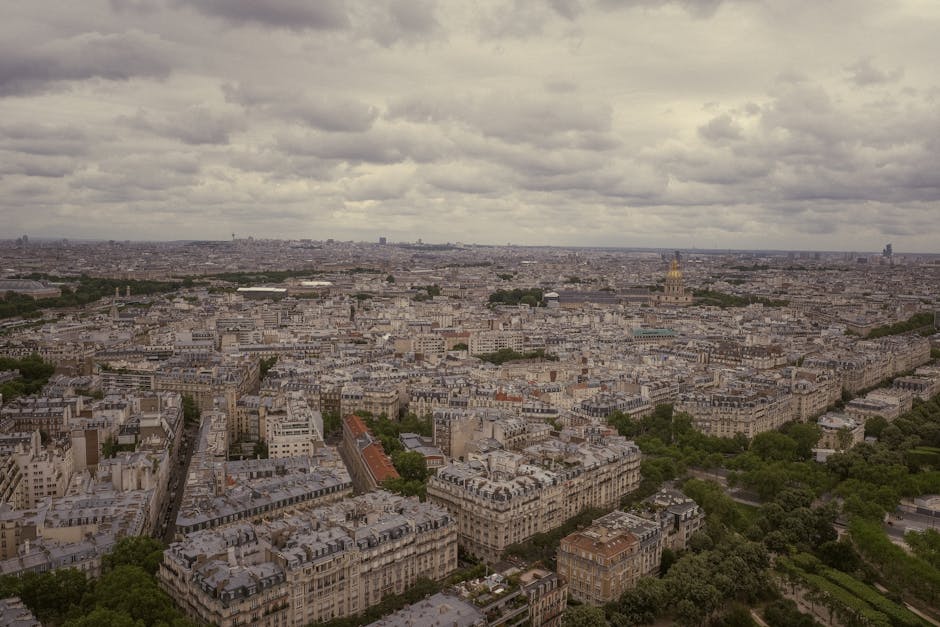
Understanding your budget is crucial for planning a trip to Paris. Here’s a general estimate based on different travel styles:
Budget Travelers: Expect to spend around $70-100 per day, including accommodation in budget hotels or hostels, meals from bakeries or casual eateries, and public transport.
Mid-range Travelers: A daily budget of $200-350 will cover accommodation in mid-range hotels, dining at bistros, and entry fees for attractions.
Luxury Travelers: For those looking to indulge, a budget of $500+ per day will allow for luxury accommodations, fine dining, and private tours of attractions.
Travel Tips for Paris#
Safety: Paris is generally safe, but be aware of pickpockets, especially in crowded areas. Keep your belongings secure and stay alert.
Tipping: Service is included in your restaurant bill, but leaving a small tip or rounding up is appreciated for good service.
Language: While many Parisians speak English, learning a few basic French phrases can enhance your experience and is appreciated by locals.
SIM Cards: Consider purchasing a local SIM card for your phone to stay connected. Many options are available at the airport or local shops.
Scams: Be cautious of common scams, such as people asking for donations or trying to sell you items in touristy areas.
Museum Pass: If you plan on visiting multiple museums, consider purchasing a Paris Museum Pass for savings on entry fees and to skip the lines.
Plan Ahead: Popular attractions can get crowded, so consider booking tickets in advance or visiting during off-peak hours.
With this comprehensive travel guide to Paris, you’re well-equipped to explore the wonders of this magnificent city. From its rich history and stunning architecture to its vibrant culinary scene, Paris promises an unforgettable experience for every traveler. If you’re also considering a trip to Copenhagen, Denmark or Dubrovnik, Croatia , check out our guides for additional inspiration. Safe travels!