📌 Disclaimer
Prices, schedules, tour details, flight routes, visa requirements, and all other information on this page are based on data at the time of writing. Fares, availability, and policies may change. Please verify current details on the official website before booking.
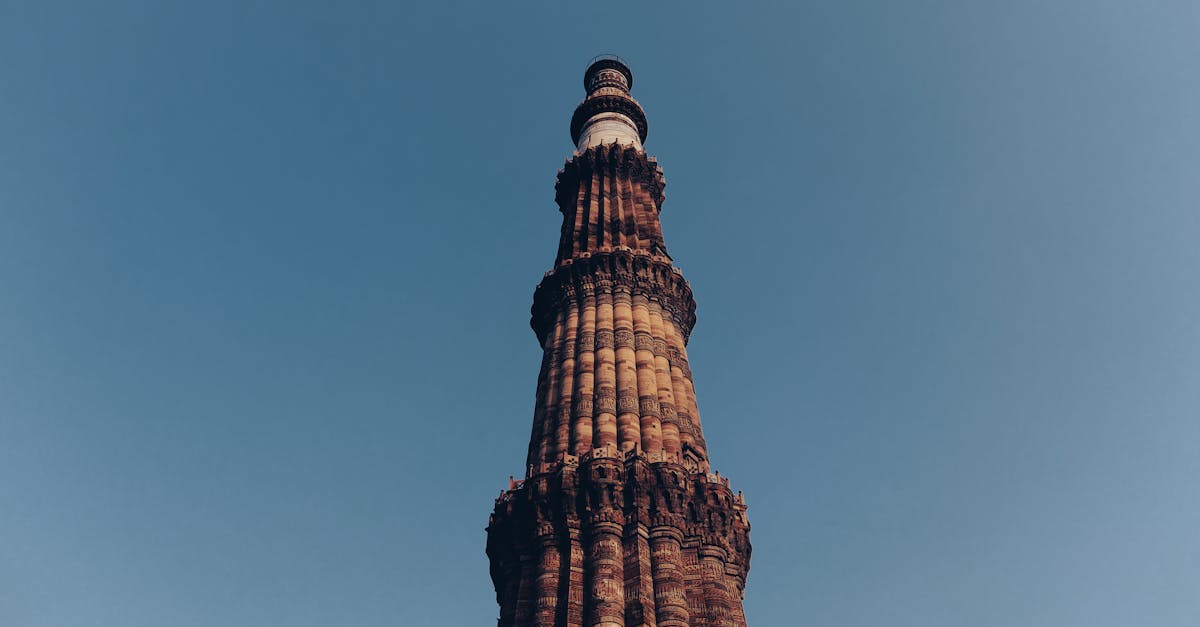
Photo by Ekam Juneja on Pexels
Why Visit New York ?#
New York City, often referred to as “The Big Apple,” is a vibrant melting pot of culture, art, history, and food that captivates millions of visitors each year. From the iconic skyline featuring landmarks like the Empire State Building and One World Trade Center to the lush green spaces of Central Park, the city is a feast for the senses. It’s not just the sights; it’s the energy of the streets, the diversity of neighborhoods, and the endless opportunities for exploration that make New York special. Whether you’re an art enthusiast eager to explore world-class museums or a foodie looking to indulge in culinary delights, New York offers something for everyone.
Beyond the tourist hotspots, New York has a rich tapestry of neighborhoods, each with its own unique character and charm. From the historic streets of Greenwich Village to the bustling markets of Chinatown, the city invites you to discover hidden gems that showcase the local way of life. With its 24/7 energy, New York is a place where you can experience the thrill of Broadway shows, the tranquility of quiet parks, and the vibrancy of diverse street festivals—all in one day.
Best Time to Visit New York#
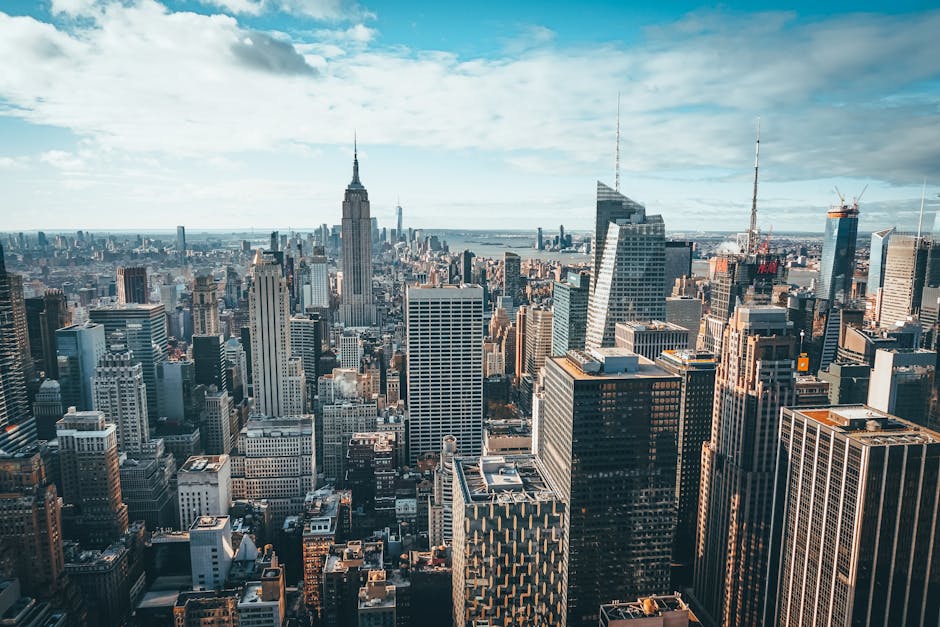
New York City experiences four distinct seasons, each offering a unique backdrop for your visit.
Spring (March to May): Spring is one of the best times to visit, with temperatures ranging from the mid-40s to mid-70s Fahrenheit. As flowers bloom and outdoor events kick off, the city comes alive. Crowds begin to build, especially around Easter and during popular events like the Tribeca Film Festival. Prices for accommodations can start to rise in April and May.
Summer (June to August): Summer brings heat and humidity, with temperatures often soaring into the 80s and 90s Fahrenheit. While it’s a busy time for tourists, you can enjoy outdoor concerts, festivals, and street fairs. Expect larger crowds, especially in July and August, which can drive up accommodation prices.
Fall (September to November): Fall is another fantastic time to visit, as the weather cools down to the 60s and 70s Fahrenheit. The foliage in Central Park is stunning, and events like the New York Film Festival and Halloween celebrations draw many visitors. September and October are particularly popular, so book your stay early to secure better rates.
Winter (December to February): Winter in New York is magical, especially during the holiday season. Though temperatures can dip into the 20s and 30s Fahrenheit, the city sparkles with holiday lights and festive decorations. The crowds peak in December, particularly around Christmas, but January and February are quieter, with lower hotel prices and fewer tourists. Just be prepared for the occasional snowstorm!
Where to Stay in New York#

Finding the right place to stay in New York can greatly enhance your experience. Here are a few neighborhoods to consider based on your budget:
Budget: For budget travelers, areas like Brooklyn and Queens offer affordable accommodation options. Look for hostels or budget hotels that provide easy access to subway lines, allowing you to reach Manhattan quickly.
Mid-Range: The Upper West Side and Lower East Side are great mid-range options. The Upper West Side is quieter and family-friendly, while the Lower East Side buzzes with nightlife and trendy eateries. Both neighborhoods have a mix of boutique hotels and charming inns.
Luxury: If you’re looking for luxury, consider staying in Midtown or the Upper East Side. Midtown is close to iconic attractions like Times Square and Central Park, while the Upper East Side boasts elegant hotels near the Museum Mile. Both areas offer upscale amenities and easy access to transportation.
Top Things to Do in New York#
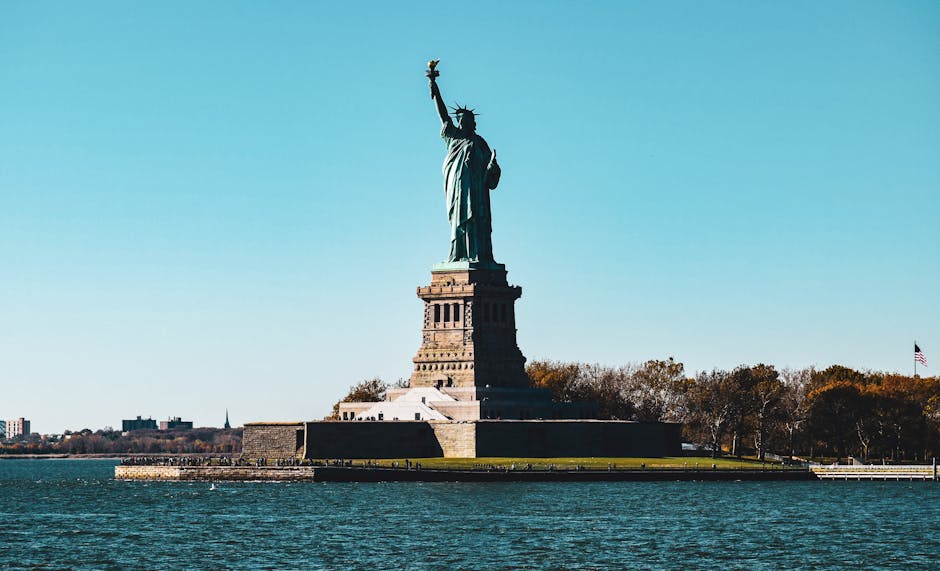
Statue of Liberty & Ellis Island: A visit to New York wouldn’t be complete without seeing Lady Liberty. Take a ferry to Liberty Island and explore the museum dedicated to immigration at Ellis Island.
Central Park: An oasis in the city, Central Park offers a perfect spot for a leisurely stroll, a picnic, or a bike ride. Don’t miss the Bethesda Terrace and Bow Bridge for stunning photo opportunities.
Metropolitan Museum of Art: Known simply as “The Met,” this world-renowned museum houses an extensive collection of art from ancient to contemporary times. Admission is pay-what-you-wish for U.S. residents.
Broadway Shows: Experience the magic of live theater by catching a Broadway show. Whether you prefer musicals or dramas, there’s always something playing in the Theater District.
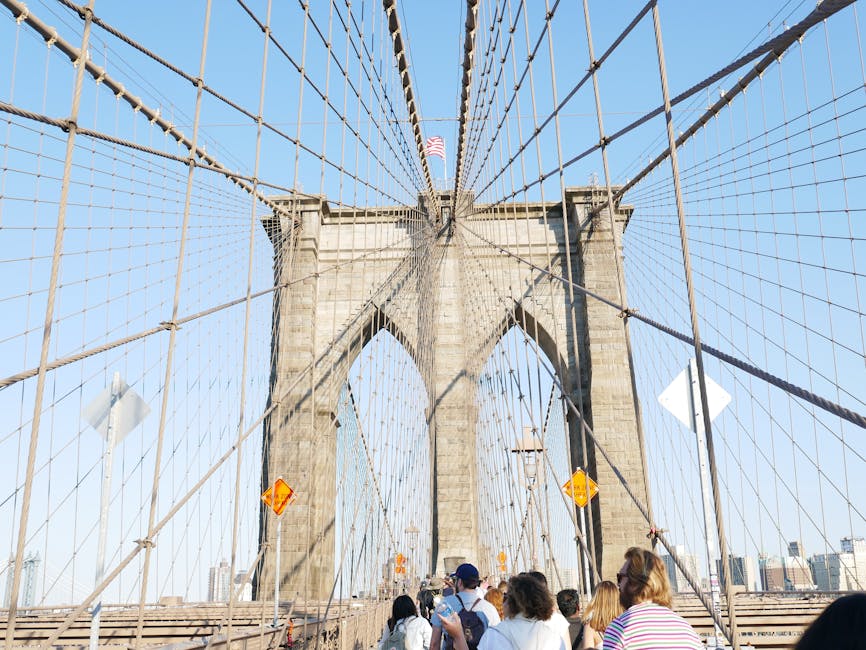
Brooklyn Bridge: Walk or bike across this iconic bridge for breathtaking views of the Manhattan skyline. It’s especially beautiful at sunset.
9/11 Memorial & Museum: Pay your respects at the 9/11 Memorial and learn about the events of September 11, 2001, at the accompanying museum, which offers a moving tribute to those lost.
High Line: This elevated park built on a former railway line features beautiful gardens, art installations, and views of the Hudson River. It’s a unique way to experience the city.
Times Square: Known as “The Crossroads of the World,” Times Square is a bustling hub filled with neon lights, shops, and street performers. Visit at night for the full effect!
Chinatown: Dive into the vibrant culture of Chinatown, where you can explore markets, shops, and authentic eateries. Be sure to sample some dim sum!
Museum of Modern Art (MoMA): Home to an impressive collection of modern and contemporary art, MoMA is a must-visit for art lovers. Check out their rotating exhibitions for fresh experiences.
Food and Dining Guide#
New York is a food lover’s paradise, with a diverse culinary scene that reflects the city’s multicultural heritage. Here are some local cuisine highlights:
Bagels: A New York staple, be sure to grab a bagel with cream cheese (and perhaps lox) from a local deli. The chewy texture and variety of flavors are unbeatable.
Pizza: New York-style pizza is famous for its thin, foldable crust. Grab a slice from a street vendor or a local pizzeria for a delicious and quick meal.
Deli Sandwiches: A trip to New York wouldn’t be complete without trying a classic deli sandwich, such as pastrami on rye or corned beef. These hearty sandwiches are a meal in themselves!
Cheesecake: Indulge in a slice of New York cheesecake, known for its rich and creamy texture. Many restaurants and bakeries claim to have the best version, so try a few!
Street Food: Don’t miss the chance to sample street food from vendors around the city. Classics like hot dogs and halal carts offer delicious and affordable meals.
Getting Around New York#

Navigating New York City is relatively easy thanks to its extensive public transportation system. The subway is the most efficient way to get around, with trains running frequently across the city. A MetroCard can be purchased at subway stations, allowing for easy access to trains and buses.
Taxis and rideshare services are also available, but keep in mind that traffic can be heavy, especially during rush hours. Walking is often the best way to explore neighborhoods, giving you the chance to soak in the atmosphere and discover hidden gems.
While renting a car is possible, it’s generally not recommended due to parking challenges and traffic congestion. The subway and walking will get you where you want to go without the hassle.
Budget Breakdown#

When planning your trip to New York, it’s essential to consider your budget. Here’s a rough estimate of daily expenses based on different travel styles:
Budget Travelers: Expect to spend around $70-120 per day. This includes accommodation in hostels or budget hotels ($30-50), meals from street vendors or casual eateries ($10-25), subway fares ($2.75 per ride), and free or low-cost attractions.
Mid-Range Travelers: Plan for a daily budget of $150-250. Mid-range hotel stays typically range from $100-200, meals in casual restaurants ($20-40), and activities or attractions ($20-50).
Luxury Travelers: For a more lavish experience, budget $300 and up per day. Luxury accommodations can start at $250 or more, fine dining experiences ($50-100), and premium activities or tours ($50+).
Travel Tips for New York#
Stay Aware of Your Surroundings: While New York is generally safe, it’s important to stay vigilant, especially in crowded areas. Keep your belongings secure and be mindful of pickpockets.
Tipping Etiquette: Tipping is customary in New York. Tip around 15-20% in restaurants, and don’t forget to tip taxi drivers and hotel staff as well.
Learn Basic Local Lingo: While English is the primary language, knowing a few local terms can enhance your experience. For example, “the subway” often refers to both the transit system and the trains themselves.
Get a SIM Card: If you’re traveling from outside the U.S., consider getting a local SIM card for your phone. This will help you navigate and stay connected without incurring international roaming fees.
Avoid Tourist Traps: While iconic attractions are a must-see, be cautious of overly touristy areas that can be overcrowded and overpriced. Explore local neighborhoods for a more authentic experience.
Plan Ahead for Popular Attractions: For popular attractions like the Statue of Liberty or Broadway shows, booking tickets in advance can save you time and guarantee entry during busy seasons.
Stay Hydrated and Wear Comfortable Shoes: You’ll likely be doing a lot of walking, so wear comfortable shoes and stay hydrated, especially during the warmer months.
As you plan your trip to New York, remember that the city has a unique rhythm and charm that can be both exhilarating and overwhelming. Embrace the adventure, explore with an open heart, and you’re sure to create unforgettable memories. If you’re also considering a trip to Havana, Cuba or Cancun, Mexico , check out our guides for more travel tips!