📌 Disclaimer
Prices, schedules, tour details, flight routes, visa requirements, and all other information on this page are based on data at the time of writing. Fares, availability, and policies may change. Please verify current details on the official website before booking.
Why Visit Kyoto ?#
Kyoto, once the imperial capital of Japan , is a city that beautifully marries the past with the present. Known for its stunning temples, serene gardens, and traditional tea houses, Kyoto is a living museum of Japanese culture. The city is home to 17 UNESCO World Heritage Sites, including the iconic Kinkaku-ji (Golden Pavilion) and the historic Gion district, where you might catch a glimpse of a geisha gracefully moving to her next appointment. The atmosphere is steeped in history, making every corner a treasure trove of stories waiting to be discovered.
Beyond its historical allure, Kyoto boasts a vibrant arts scene and a commitment to preserving traditional crafts. From kintsugi (the art of repairing pottery with gold) to kimono weaving, visitors can immerse themselves in authentic Japanese culture. The blend of ancient traditions and modern influences creates an enchanting environment that feels both timeless and contemporary. If you’re also considering a trip to Kuala Lumpur, Malaysia , you’ll find that both cities offer a unique cultural tapestry.
Best Time to Visit Kyoto#
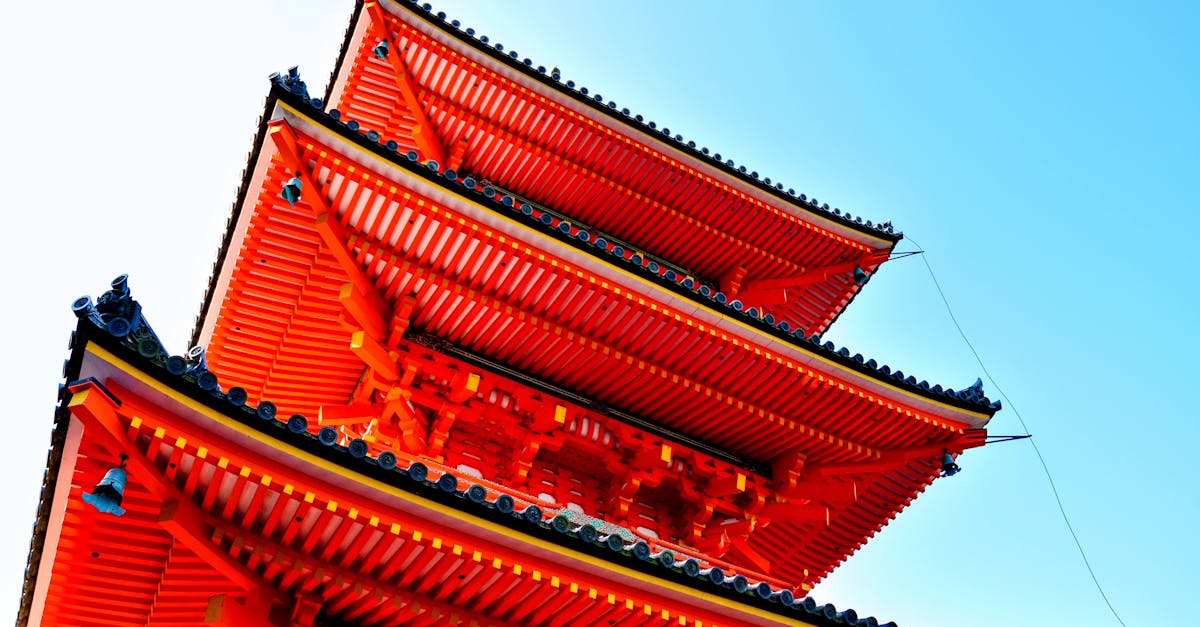
The best time to visit Kyoto largely depends on what you want to experience. Spring (March to May) is particularly popular due to the cherry blossom season, when the city’s parks and temples are adorned with pink blooms. Temperatures range from 50°F to 70°F, and the atmosphere is festive, with hanami (flower viewing) parties taking place throughout the city. However, this is also peak tourist season, so expect larger crowds and higher accommodation prices.
Summer (June to August) can be hot and humid, with temperatures often exceeding 85°F. However, this season also offers vibrant festivals like Gion Matsuri, where the streets come alive with parades and traditional performances. Fall (September to November) is another high season, as the autumn foliage transforms Kyoto into a breathtaking palette of reds and golds. Winter (December to February) is the quietest time to visit, with chilly temperatures around 30°F to 50°F and fewer tourists, making it easier to explore popular sites without the crowds.
Where to Stay in Kyoto#
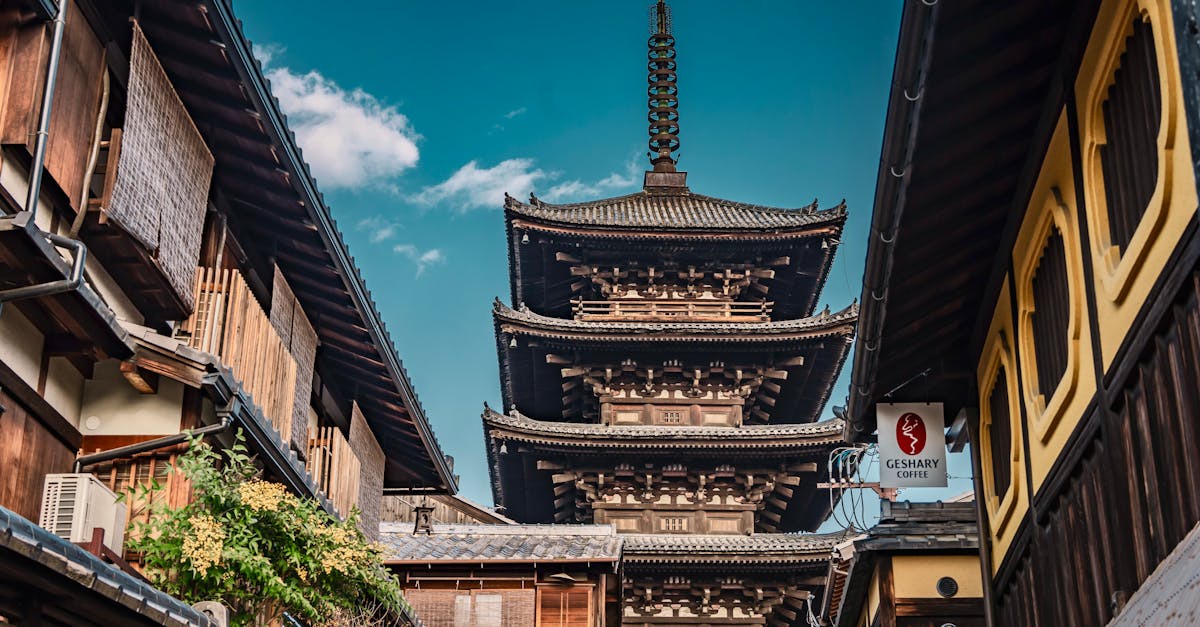
Finding the right neighborhood can enhance your Kyoto experience, whether you’re on a budget, seeking mid-range comfort, or indulging in luxury.
Budget: The areas around Kyoto Station and Gion are great for budget travelers. Here, you can find hostels and guesthouses that typically start around $30-50 per night. Staying near the station is convenient for accessing public transport and getting to other parts of Japan.
Mid-Range: The central districts of Sanjo and Shijo offer a range of business hotels and ryokans (traditional inns) that cater to mid-range budgets. Prices here generally range from $70-150 per night. This area is also close to shopping, dining, and major attractions like Nijo Castle.
Luxury: For a more luxurious experience, consider staying in the northern part of Kyoto near the Philosopher’s Path or in the upscale districts of Arashiyama. Expect to pay $200 and up for high-end hotels that provide exceptional service and stunning views of the surrounding landscapes.
Top Things to Do in Kyoto#
Kinkaku-ji (Golden Pavilion): This stunning Zen temple, covered in gold leaf, is one of Kyoto’s most famous landmarks. Its reflection in the surrounding pond creates a picturesque scene, especially during the cherry blossom season.
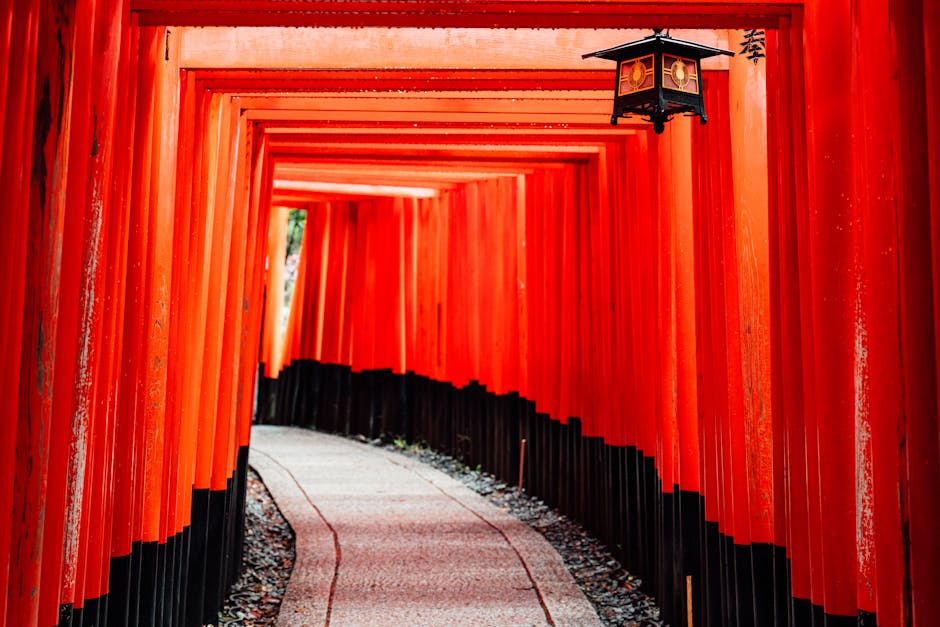
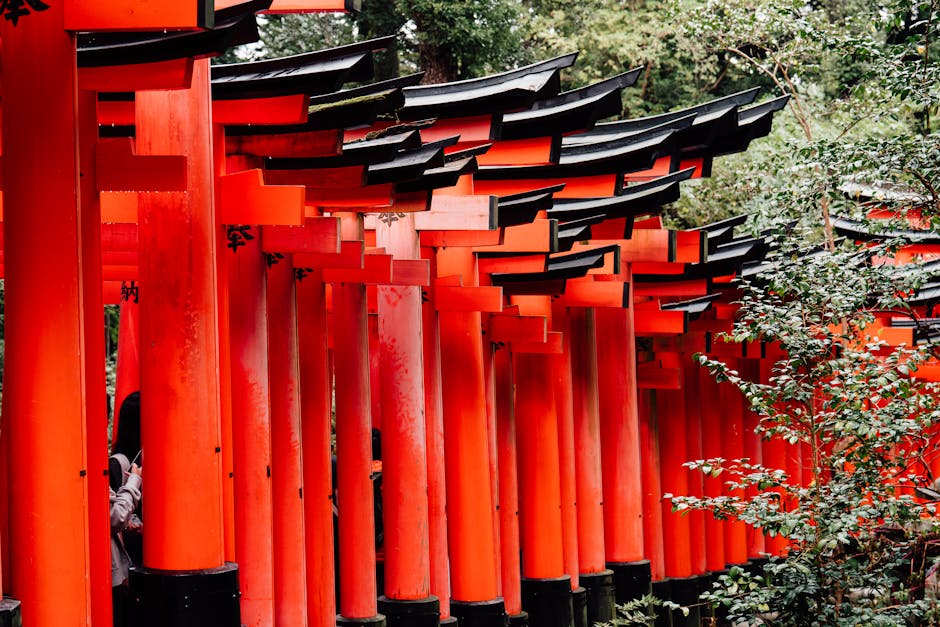
Fushimi Inari Taisha: Famous for its thousands of vermilion torii gates, this shrine dedicated to the rice deity Inari offers a scenic hike up Mount Inari. The trek can take a couple of hours, but the views are worth it.
Arashiyama Bamboo Grove: Strolling through this surreal bamboo forest feels like stepping into another world. The towering stalks create a tranquil atmosphere, making it a perfect spot for a peaceful walk.
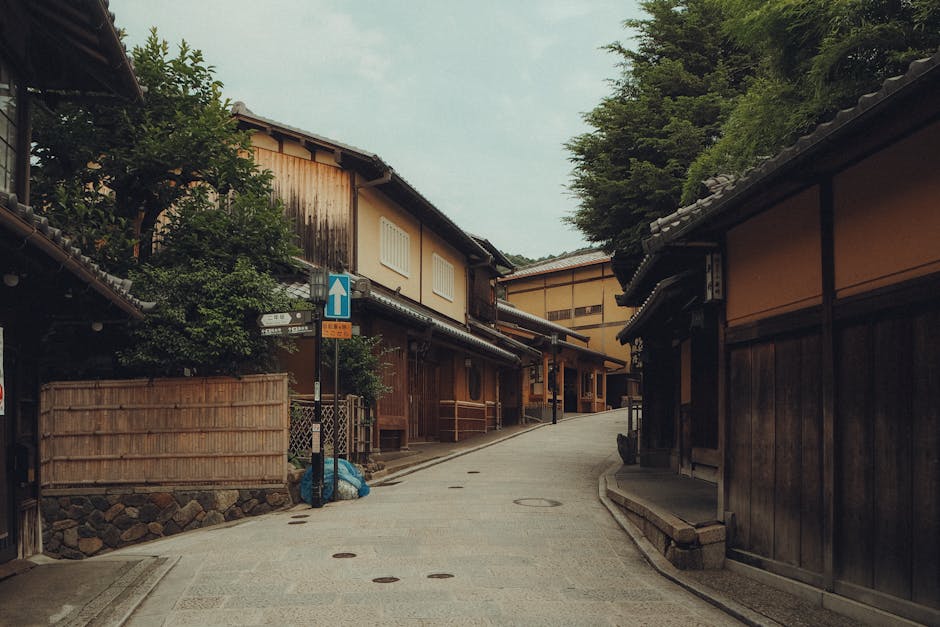
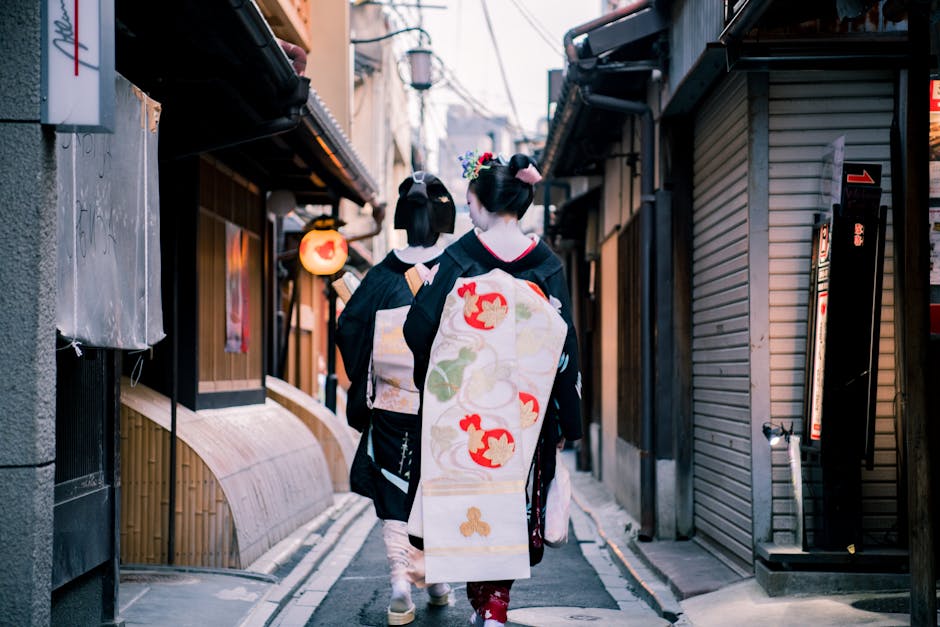
Gion District: Known as the geisha district, Gion is filled with traditional wooden machiya houses. Explore the narrow streets, and you might encounter a geisha or maiko (apprentice geisha) on her way to an appointment.
Kiyomizu-dera Temple: This historic temple offers breathtaking views of the city from its wooden stage that juts out over the hillside. The surrounding area is also home to quaint shops selling local crafts and sweets.
Nijo Castle: A UNESCO World Heritage Site, Nijo Castle is known for its beautiful gardens and “nightingale floors” that chirp when walked upon, designed to alert against intruders.
Philosopher’s Path: A scenic walkway lined with cherry trees, this path is perfect for a leisurely stroll. It connects several temples and shrines, including Nanzen-ji and Ginkaku-ji.
Tofuku-ji Temple: Famous for its zen gardens, Tofuku-ji is less crowded than other temples and offers a serene atmosphere. The gardens are especially beautiful in the fall.
Nanzen-ji Temple: This large temple complex features stunning architecture and beautiful gardens. The aqueduct is particularly photogenic and provides a unique backdrop.
Kyoto Tower: For a panoramic view of the city, head to Kyoto Tower. It’s a great way to get your bearings and see the city from above, especially at sunset.
Food and Dining Guide#
Kyoto is a culinary paradise, offering a mix of traditional kaiseki (multi-course) meals and casual street food. Here are some must-try dishes:
Kaiseki Ryori: This traditional multi-course meal showcases seasonal ingredients and meticulous presentation. Many restaurants offer kaiseki experiences, allowing you to savor the flavors of Kyoto.
Yudofu: A simple yet delicious tofu dish, often served in a light broth. It’s a local specialty that you can find in many restaurants, particularly around Nanzen-ji.
Matcha Sweets: Kyoto is famous for its matcha (green tea) products. Be sure to try matcha-flavored desserts like ice cream, cakes, and even traditional sweets at tea houses.
Nishiki Market: This bustling market is a food lover’s dream, filled with stalls selling everything from pickled vegetables to fresh seafood. It’s a great place to sample local snacks and street food.
Yudofu: A simple yet delicious tofu dish, often served in a light broth. It’s a local specialty that you can find in many restaurants, particularly around Nanzen-ji.
Dining can range from budget-friendly street food to upscale restaurants. For an authentic experience, consider eating at izakayas (Japanese pubs) or small family-run eateries tucked away in narrow alleys.
Getting Around Kyoto#
Kyoto has an efficient public transportation system that makes it easy to explore the city. The subway and bus networks are extensive, with many stops near major attractions. A prepaid IC card can simplify your travels, allowing you to hop on and off without fumbling for cash.
Walking is another excellent way to experience Kyoto. Many attractions are within walking distance of one another, and strolling through the historic streets can reveal hidden gems. If you prefer more flexibility, consider renting a bike; many shops offer affordable rentals.
While taxis are available, they can be pricey, so use them sparingly. Renting a car is not typically recommended due to limited parking and heavy traffic in popular areas.
Budget Breakdown#
Understanding the costs associated with visiting Kyoto can help you plan your trip more effectively. Here’s a rough daily budget estimate:
Budget Travelers: Expect to spend around $60-100 per day. This includes accommodation in hostels, street food or casual dining, and public transport.
Mid-Range Travelers: A daily budget of $150-250 is reasonable. This includes staying in mid-range hotels, enjoying a mix of casual and sit-down dining, and visiting attractions.
Luxury Travelers: For those looking to indulge, a budget of $300 and up is advisable. This allows for upscale accommodations, fine dining experiences, and private tours or activities.
Travel Tips for Kyoto#
Cash is King: While credit cards are becoming more accepted, many smaller shops and restaurants still prefer cash. Always carry some yen for purchases.
Tipping is Uncommon: Unlike in the U.S., tipping is not a common practice in Japan. Exceptional service is expected, and leaving a tip can be considered rude.
Learn Basic Japanese Phrases: While many people in Kyoto speak some English, knowing a few basic Japanese phrases can enhance your experience and show respect for the local culture.
Stay Connected: Consider purchasing a SIM card or portable Wi-Fi device upon arrival. This will help you navigate the city and stay in touch with friends and family.
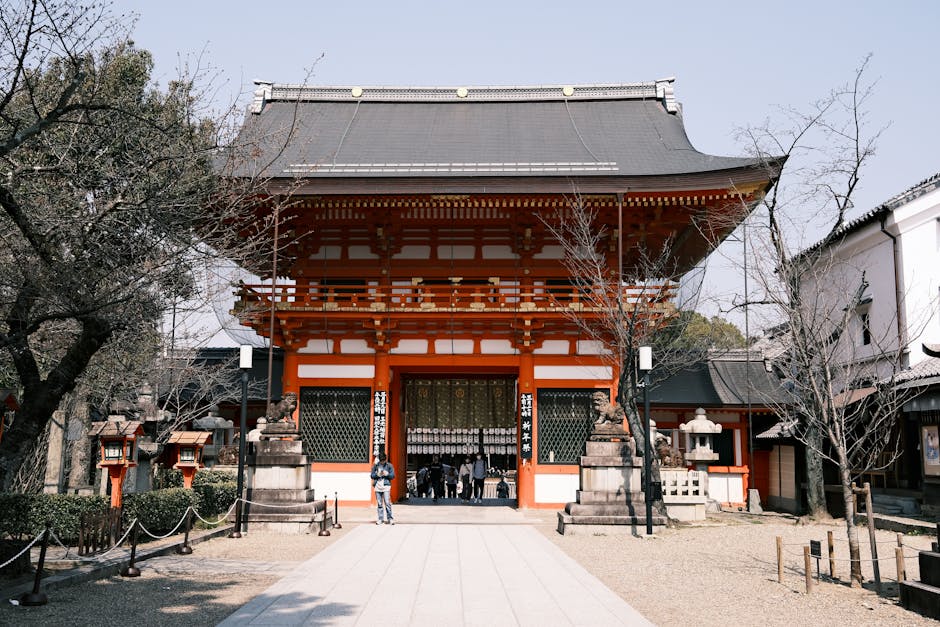
Be Respectful at Temples: When visiting temples and shrines, dress modestly and follow the rules. For example, it’s customary to remove your shoes before entering certain areas.
Watch for Scams: While Kyoto is generally safe, be cautious of overly aggressive street performers or vendors trying to sell you overpriced souvenirs.
Plan for Crowds: Popular attractions can get crowded, especially during peak seasons. Visit early in the morning or later in the afternoon to beat the crowds.
Kyoto is a city that captivates with its blend of history, culture, and culinary delights. Whether you’re wandering through ancient temples or savoring a bowl of yudofu, every moment in Kyoto offers a chance to connect with Japan’s rich heritage.