📌 Disclaimer
Prices, schedules, tour details, flight routes, visa requirements, and all other information on this page are based on data at the time of writing. Fares, availability, and policies may change. Please verify current details on the official website before booking.
Why Visit Kuala Lumpur?#
Kuala Lumpur, the vibrant capital of Malaysia, is a melting pot of cultures, traditions, and modernity. This bustling metropolis is renowned for its stunning skyline, dominated by the iconic Petronas Twin Towers, which stand as a symbol of Malaysia’s rapid development. But Kuala Lumpur is more than just its skyscrapers; it offers a rich tapestry of experiences that reflect its diverse heritage, from the colorful streets of Chinatown to the lush greenery of its parks. The city is a playground for those who enjoy both urban exploration and cultural immersion.
What truly sets Kuala Lumpur apart is its unique blend of Eastern and Western influences. You can indulge in exquisite local cuisine, shop at bustling markets, and explore historical sites all within a short distance. The city’s multicultural population contributes to a vibrant atmosphere where festivals, art, and music thrive. Whether you’re a history buff, a food lover, or an adventure seeker, Kuala Lumpur has something to offer everyone.
Best Time to Visit Kuala Lumpur#
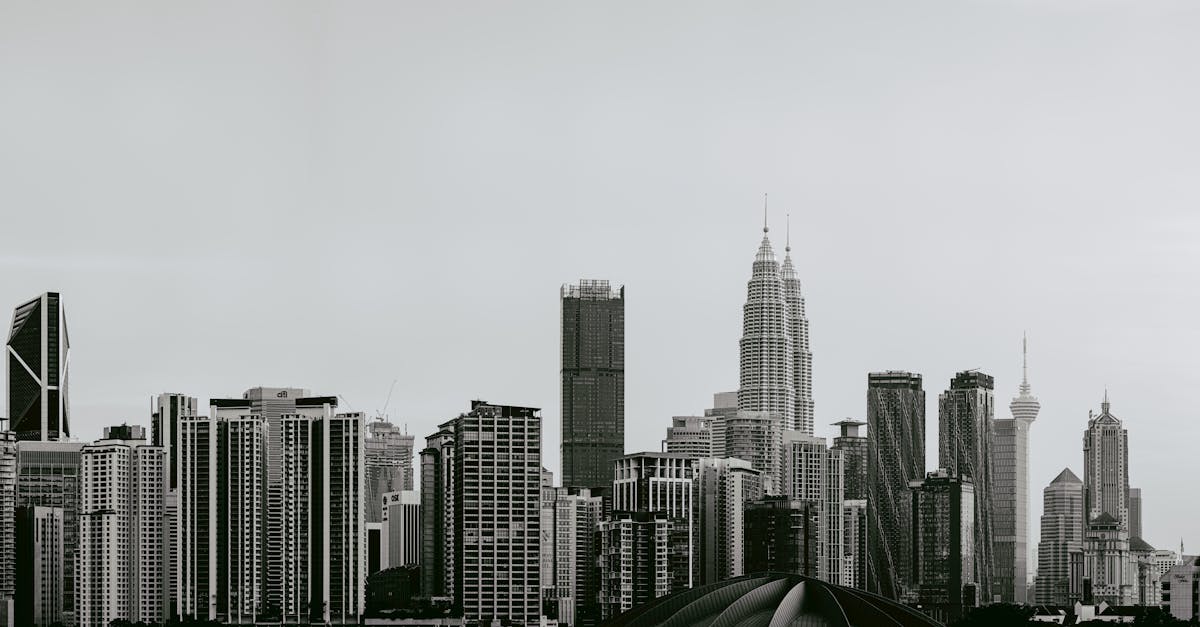
Kuala Lumpur has a tropical rainforest climate, meaning it’s warm and humid throughout the year, with temperatures hovering around 75°F to 90°F. However, the city experiences two main seasons: the dry season and the wet season.
- Dry Season (May to September): This period typically sees less rainfall, making it the ideal time for outdoor activities and sightseeing. However, be prepared for high humidity and occasional afternoon showers. This is also the peak tourist season, so expect larger crowds and slightly higher prices.
- Wet Season (October to April): The wet season brings heavier rainfall, particularly in November and December. While the rain can put a damper on outdoor plans, this is also when you can find the best deals on accommodations and flights. The city is less crowded, allowing for a more relaxed exploration of attractions.
If you’re planning to visit Kuala Lumpur, aim for the months of May, June, or September for the best combination of pleasant weather and manageable crowds.
Where to Stay in Kuala Lumpur#
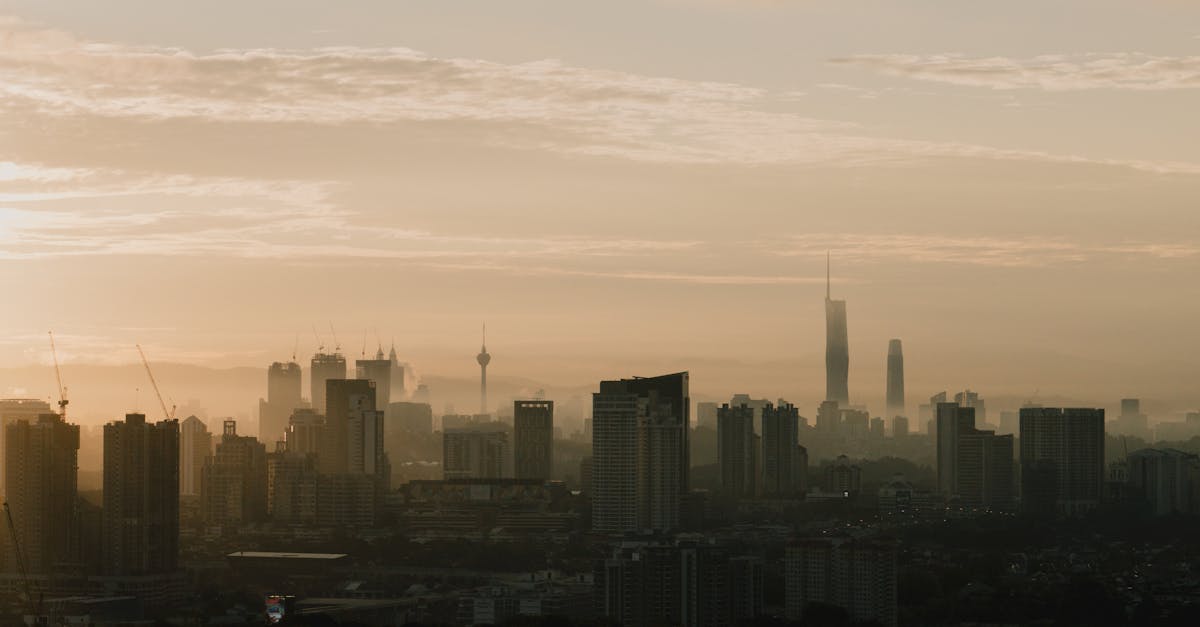
Kuala Lumpur offers a wide range of accommodations to suit every budget. Here are some recommended neighborhoods to consider:
- Bukit Bintang (Luxury): Known as Kuala Lumpur’s shopping and entertainment hub, Bukit Bintang boasts luxury hotels and high-end shopping malls. This vibrant area is perfect for those looking to indulge in fine dining, nightlife, and proximity to major attractions.
- Chinatown (Mid-range): For a more cultural experience, stay in Chinatown. This area is rich in history and offers a variety of mid-range hotels. Enjoy the bustling markets, street food, and traditional architecture while being close to key attractions like the Central Market.
- KL Sentral (Budget): As a transportation hub, KL Sentral is ideal for budget travelers. Here, you’ll find affordable guesthouses and budget hotels. The area is well-connected to public transit, making it easy to explore the rest of the city.
- Bangsar (Mid-range to Luxury): This trendy neighborhood is known for its eclectic dining scene and vibrant nightlife. It offers a mix of mid-range and luxury accommodations, making it a great choice for those who want to experience the local lifestyle.
Top Things to Do in Kuala Lumpur#
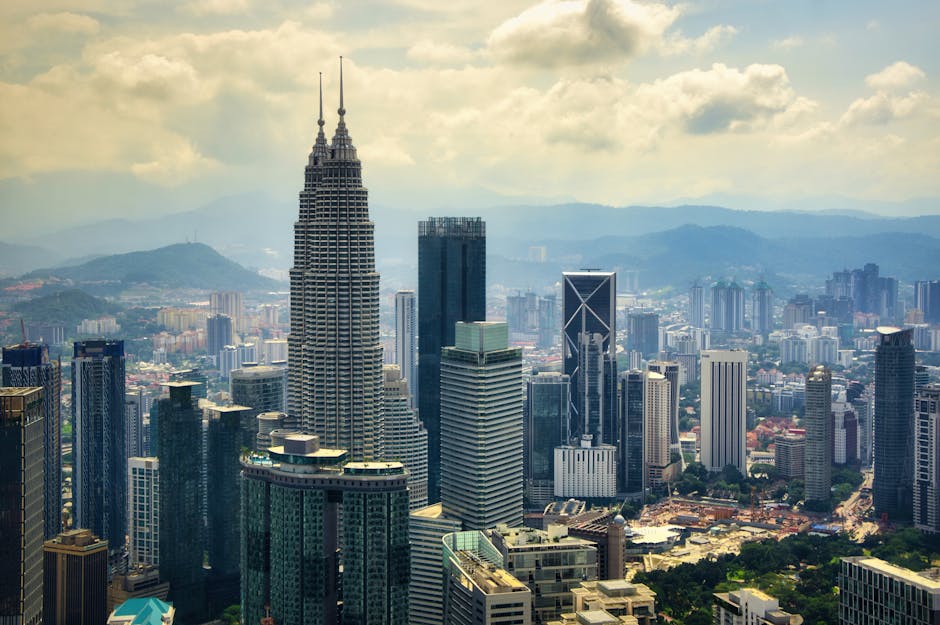
- Petronas Twin Towers: No visit to Kuala Lumpur is complete without a trip to the Petronas Twin Towers. Take a tour to the sky bridge and observation deck for breathtaking views of the city.
- Batu Caves: Just a short drive from the city center, these limestone caves house Hindu shrines and an impressive golden statue of Lord Murugan. The vibrant stairs leading up to the caves are a sight to behold.
- Merdeka Square: This historical site is where Malaysia declared its independence from British rule in 1957. The area is surrounded by colonial buildings and is perfect for a leisurely stroll.
- Central Market: A cultural landmark, Central Market offers a variety of handicrafts, souvenirs, and local snacks. It’s a great place to immerse yourself in Malaysian culture and pick up unique gifts.
- KL Bird Park: Located in the serene Lake Gardens, this is one of the largest free-flight aviaries in the world. It’s a fantastic spot for families and bird lovers alike.
- Jalan Alor: This famous food street is a must-visit for foodies. In the evening, the street comes alive with food stalls offering everything from satay to grilled seafood.
- Thean Hou Temple: This stunning Chinese temple is dedicated to the goddess Tian Hou. Its intricate architecture and beautiful gardens make it a peaceful escape from the city’s hustle and bustle.
- Islamic Arts Museum Malaysia: For those interested in art and culture, this museum features an impressive collection of Islamic decorative arts, manuscripts, and textiles.
- KLCC Park: Located near the Petronas Towers, this urban park is perfect for a leisurely walk or a picnic. The park features walking trails, a lake, and a playground, providing a green oasis in the city.
- Bukit Bintang Walk: This pedestrian-friendly area is lined with shopping centers, cafes, and street performers. It’s a great spot to soak in the city’s lively atmosphere.
Food and Dining Guide#
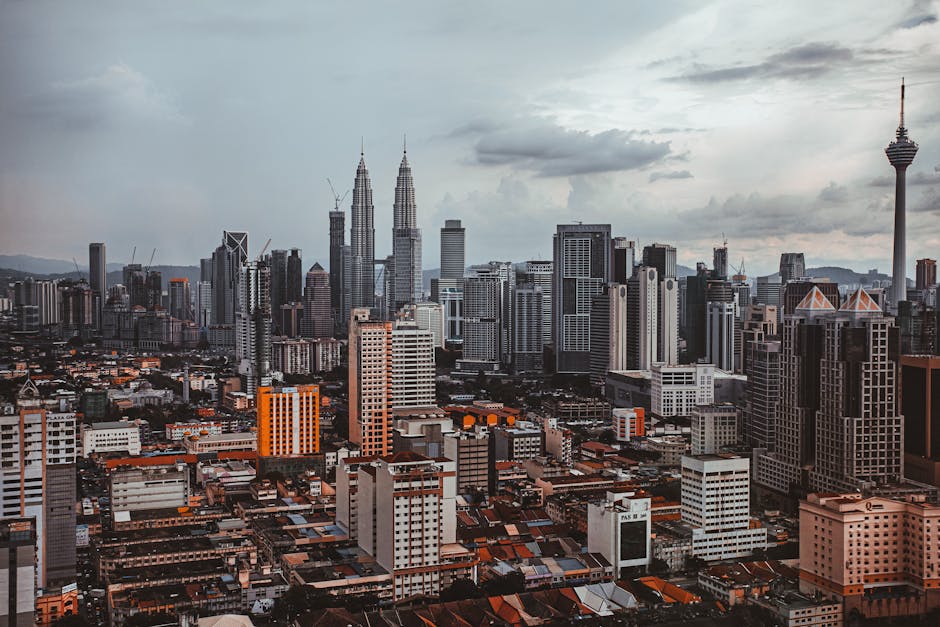
Kuala Lumpur is a food lover’s paradise, offering a diverse array of cuisines influenced by Malay, Chinese, and Indian cultures. Here are some must-try dishes:
- Nasi Lemak: This national dish features rice cooked in coconut milk served with sambal, fried anchovies, peanuts, boiled egg, and cucumber. It’s a flavorful breakfast staple.
- Char Kway Teow: A popular stir-fried noodle dish, char kway teow is made with flat rice noodles, prawns, Chinese sausage, and bean sprouts. It’s often cooked over high heat for a smoky flavor.
- Roti Canai: This flaky flatbread is typically served with dhal (lentil curry) or sugar. It’s a favorite breakfast item and can be found in many local eateries.
- Satay: Skewered and grilled meat served with a peanut sauce, satay is a must-try street food. Vendors often offer a variety of meats, including chicken, beef, and lamb.
- Laksa: This spicy noodle soup comes in various regional varieties, but the curry laksa with coconut milk and prawns is a favorite among locals.
When it comes to dining, you’ll find a mix of street food stalls, food courts, and upscale restaurants. For an authentic experience, venture into local hawker centers where you can sample a variety of dishes at affordable prices.