📌 Disclaimer
Prices, schedules, tour details, flight routes, visa requirements, and all other information on this page are based on data at the time of writing. Fares, availability, and policies may change. Please verify current details on the official website before booking.
Why Visit Fez?#
Fez, the cultural and spiritual heart of Morocco , is a city that enchants visitors with its rich history, vibrant traditions, and maze-like medinas. Unlike the more touristy cities like Marrakech , Fez offers an authentic glimpse into Moroccan life, where ancient crafts and customs still thrive. The city is home to one of the world’s oldest universities, Al Quaraouiyine, established in 859 AD, and the intricate architecture of its medina, a UNESCO World Heritage site, is a testament to its historical significance.
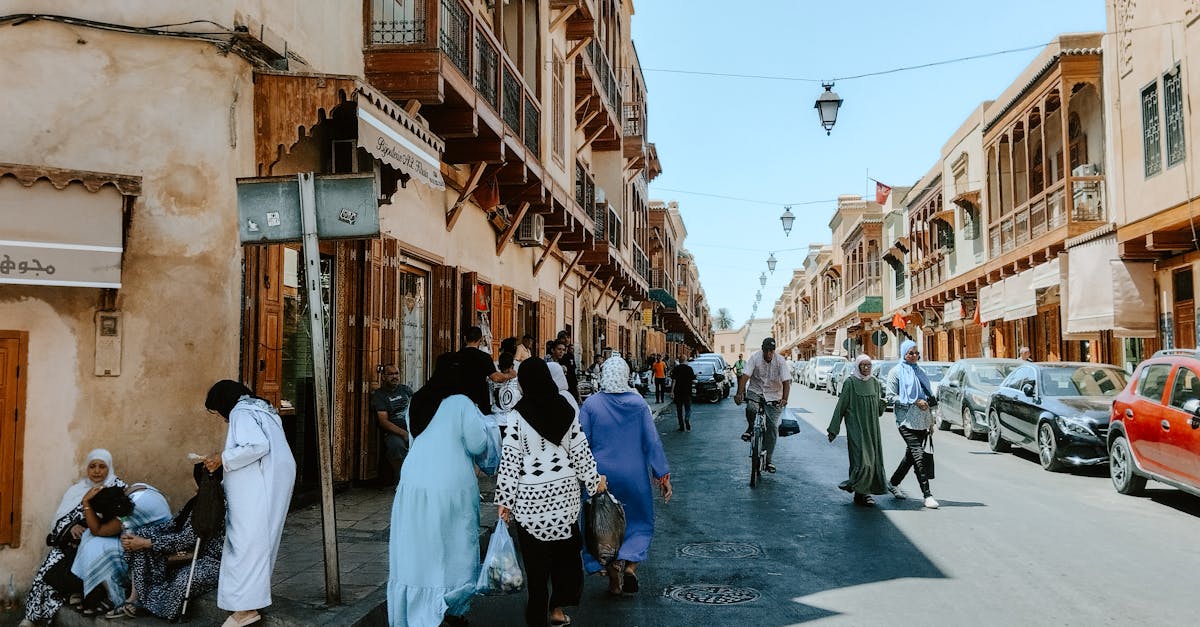
Walking through the narrow alleys of the old city, you’ll discover the artistry of local artisans, the aroma of spices wafting from bustling markets, and the sound of traditional music echoing against ancient walls. Fez is not just a destination; it’s an experience that immerses you in the heart of Moroccan culture, making it a must-visit for any traveler seeking depth and authenticity.
Best Time to Visit Fez#
The best time to visit Fez is during the spring (March to May) and fall (September to November) months. During these periods, temperatures are mild, ranging from the mid-60s to low 80s Fahrenheit (18-27°C), making it comfortable for exploring the city. The spring season also brings blooming gardens, while fall offers a lovely backdrop of changing leaves, making your strolls even more picturesque.
Summer (June to August) can be quite hot, with temperatures soaring above 100°F (38°C) during the day, which may deter some travelers. However, this is also the peak tourist season, so expect larger crowds and higher prices for accommodations. Winter (December to February) experiences cooler temperatures, often dropping to the 40s°F (4-9°C) at night, but it’s a quieter time to visit if you prefer fewer tourists and lower prices.
Where to Stay in Fez#
When it comes to accommodation in Fez, you have various options spread across different neighborhoods, each offering a unique experience.
Fes el-Bali (Budget)#
Fes el-Bali is the city’s historic heart, known for its winding streets and traditional Moroccan architecture. Budget travelers can find hostels and guesthouses here starting around $30-50 per night. Staying in this neighborhood allows you to immerse yourself in the local culture, with easy access to markets and artisan workshops.
Fes el-Jdid (Mid-Range)#
Fes el-Jdid, the New Fez, is a more modern area with a mix of hotels and riads. Mid-range accommodations typically range from $70-120 per night. This neighborhood offers a quieter atmosphere while still being close to major attractions like the Royal Palace. It’s an excellent choice for families or those looking for a more relaxed stay.
Ville Nouvelle (Luxury)#
For luxury travelers, Ville Nouvelle is the modern district of Fez, featuring upscale hotels and fine dining options. Accommodation here can range from $150-300 per night, providing amenities such as pools and spas. Staying in Ville Nouvelle gives you access to a more contemporary side of Fez, with shopping centers and cafes, while still being a short taxi ride from the medina.
The Medina (Unique Stays)#
For a truly unique experience, consider staying in one of the traditional riads within the medina. These beautifully restored homes often offer beautiful courtyards and stunning architecture. Prices can vary widely, but expect to pay anywhere from $80 to over $200 per night. This option allows you to wake up in the heart of the action, with the sights and sounds of Fez right at your doorstep.
Top Things to Do in Fez#
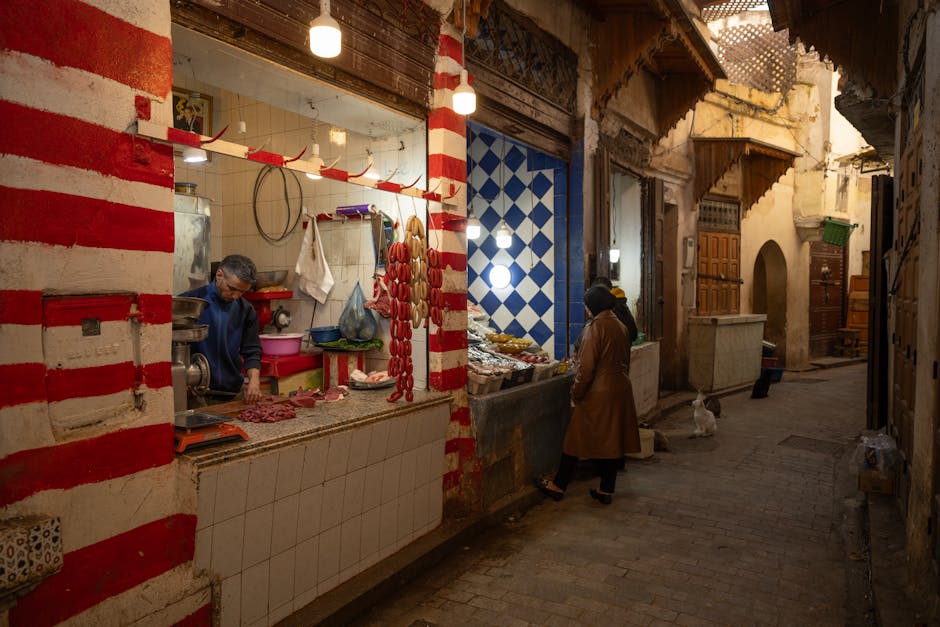
- Explore Fes el-Bali: The old medina is a labyrinth of narrow streets filled with shops selling everything from spices to intricately woven textiles. Don’t miss the vibrant souks, where you can haggle for unique souvenirs.
- Visit Al Quaraouiyine University: Recognized by UNESCO as the oldest existing university, this institution is a marvel of Islamic architecture. While you can’t enter the university itself, the surrounding area is worth exploring.
- Discover the Bou Inania Madrasa: This stunning theological school showcases intricate tilework and wood carvings, offering a glimpse into Morocco’s architectural heritage.
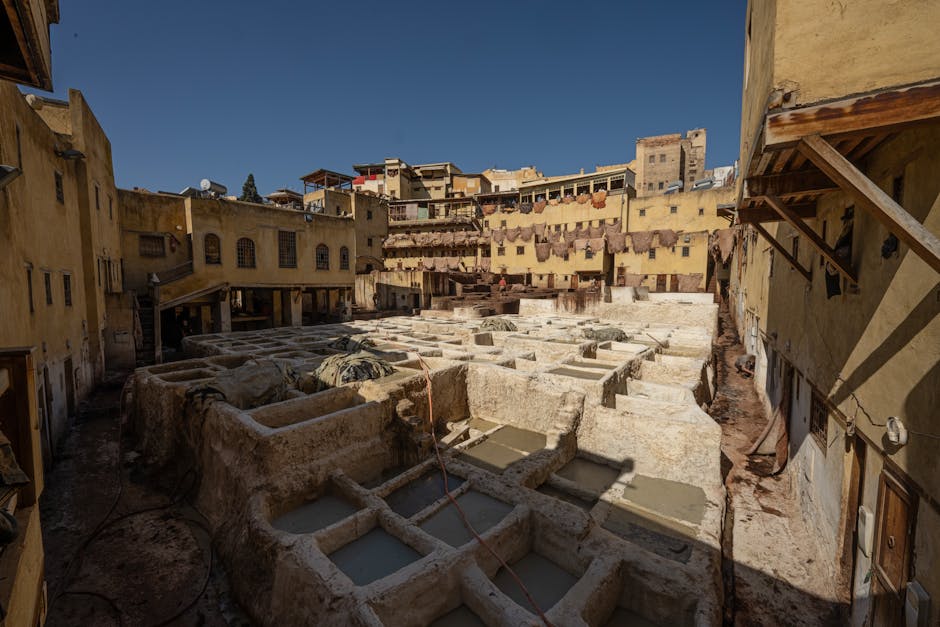
- Stroll through the Tanneries: The Chouara Tannery is a must-see. From a vantage point overlooking the dye pits, you can witness the traditional leather-making process that has been practiced for centuries.
- Experience the Royal Palace: Though you can’t enter the palace, the grand gates and surrounding gardens are worth a visit. The architecture is a stunning representation of Moroccan design.
- Visit the Nejjarine Museum of Wooden Arts and Crafts: Housed in a beautifully restored funduq (inn), this museum showcases the craftsmanship of Moroccan woodworkers and offers insights into the region’s history.
- Explore the Jnan Sbil Gardens: A serene escape from the hustle and bustle, these gardens are perfect for a leisurely stroll or a picnic. The lush greenery and fountains provide a refreshing atmosphere.
- Wander through the Jewish Quarter (Mellah): Discover the rich history of Fez’s Jewish community by visiting the Mellah. The area is home to historic synagogues and a fascinating cemetery.
- Sample Traditional Moroccan Hammam: Experience local culture by visiting a hammam, where you can indulge in a traditional steam bath and massage. It’s a unique way to relax and rejuvenate after a day of exploring.
- Visit the Museum of Moroccan Art: Located in a former palace, this museum showcases traditional Moroccan art and artifacts, offering insight into the country’s rich artistic heritage.
Discover the Bou Inania Madrasa: This stunning theological school showcases intricate tilework and wood carvings, offering a glimpse into Morocco ’s architectural heritage.
Food and Dining Guide#
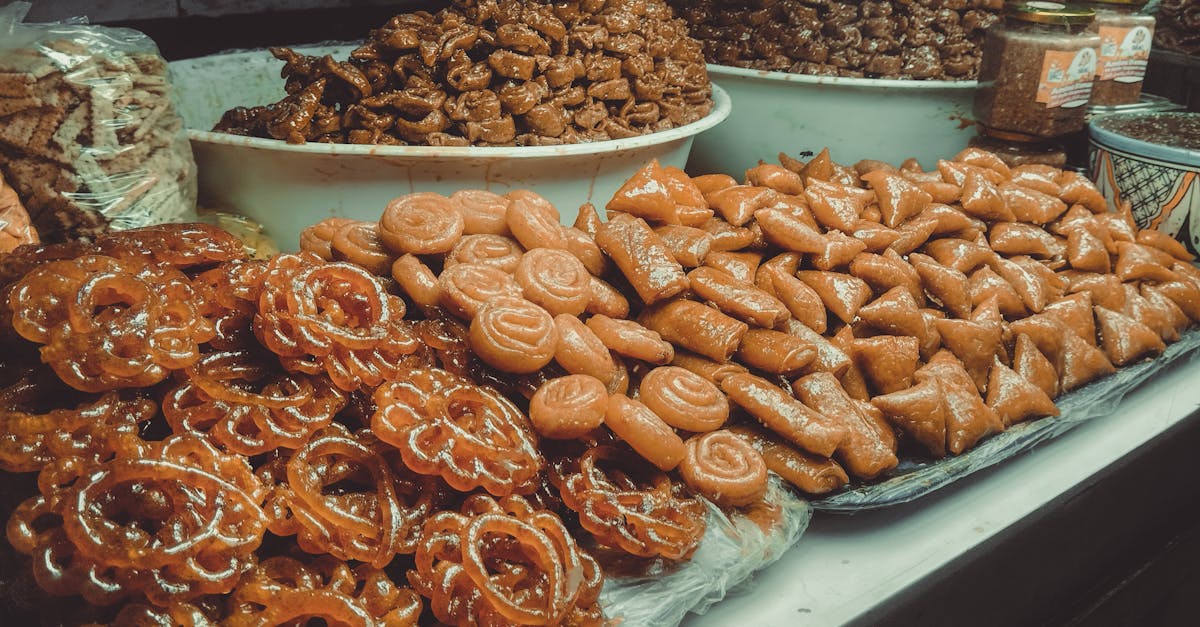
Fez is a food lover’s paradise, offering a blend of traditional Moroccan dishes and local specialties. Be sure to try these must-try dishes during your visit:
- Tagine: A staple of Moroccan cuisine, this slow-cooked stew can be made with various meats, vegetables, and spices. Each region has its twist, so sample different versions.
- Couscous: Often served on Fridays, this dish consists of steamed semolina served with vegetables and meat, making it a hearty meal.
- Pastilla: A sweet and savory pie made from layers of flaky pastry, filled with pigeon or chicken, almonds, and spices, then dusted with powdered sugar.
- Harira: A traditional soup made with lentils, chickpeas, and tomatoes, often enjoyed during Ramadan but available year-round.
- Street Food: Don’t miss out on local street food such as grilled meats, fried pastries, and fresh juices. The stalls in the medina are bustling with activity and offer delicious, affordable meals.
For dining, you can choose from casual street food vendors to more upscale restaurants. The medina is filled with small eateries where you can savor authentic Moroccan flavors, while in Ville Nouvelle, international cuisine and fine dining options abound.