📌 Disclaimer
Prices, schedules, tour details, flight routes, visa requirements, and all other information on this page are based on data at the time of writing. Fares, availability, and policies may change. Please verify current details on the official website before booking.
Photo by Darren Lawrence on Unsplash
Why Visit Bali?#
Bali is often dubbed the “Island of the Gods,” and for good reason. This Indonesian paradise offers a stunning blend of lush landscapes, rich cultural heritage, and a vibrant arts scene that captivates travelers from around the globe. From its iconic rice terraces to its picturesque beaches, Bali is a feast for the senses. The island’s spiritual essence is palpable, with countless temples dotting the landscape, each offering a glimpse into the island’s deep-rooted traditions and beliefs.
What truly sets Bali apart is its ability to cater to a variety of travelers. Whether you’re seeking relaxation on a sun-kissed beach, adventure through its mountainous terrain, or a taste of local culture in bustling markets, Bali has something for everyone. The warm hospitality of the Balinese people adds to the island’s charm, making visitors feel welcomed and at home. For those looking to explore beyond the typical tourist pathways, there are numerous off-the-beaten-path experiences waiting to be discovered.
Best Time to Visit Bali#
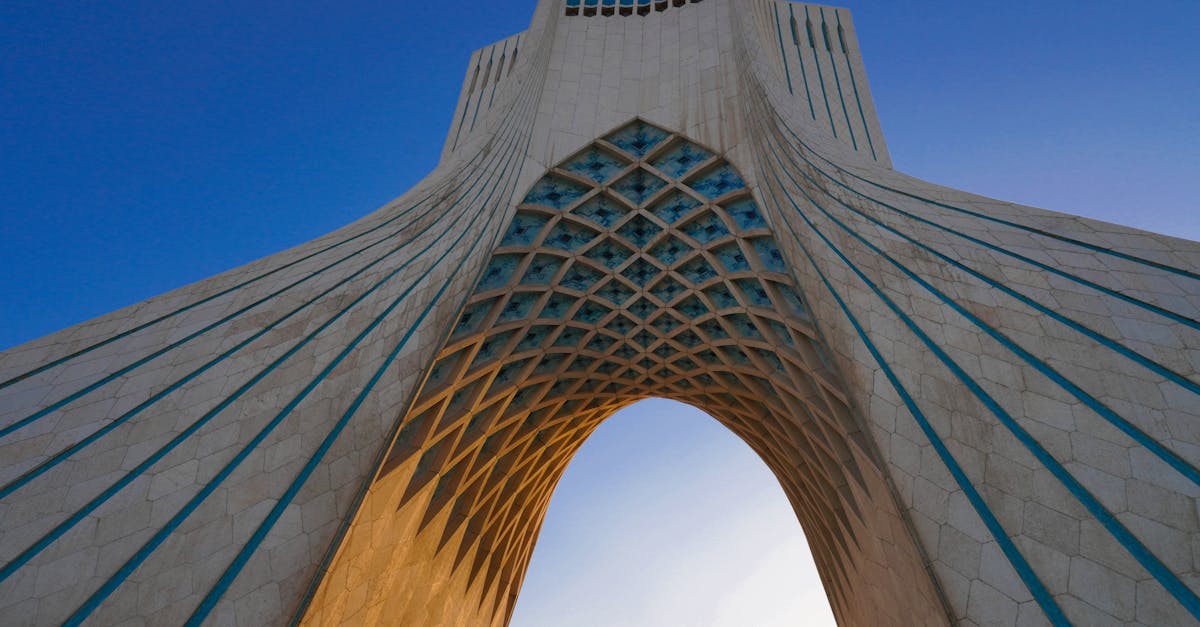
Bali enjoys a tropical climate, which means it’s warm and humid year-round. However, the island has distinct wet and dry seasons that can impact your travel experience.
Dry Season (April to September): This is the most popular time to visit Bali, with sunny skies, low humidity, and minimal rainfall. Peak tourist months are July and August, so expect larger crowds and higher prices during this period. May and September can be ideal for travelers looking for a balance between pleasant weather and fewer tourists.
Wet Season (October to March): The wet season brings higher humidity and frequent rain showers, particularly from December to February. While this may deter some travelers, visiting during the wet season can be a great way to experience Bali’s lush greenery, fewer crowds, and lower prices. Just be prepared for the occasional downpour, especially in the afternoon.
Where to Stay in Bali#

Choosing the right neighborhood can significantly enhance your Bali experience. Here are some recommendations across different budget tiers:
Budget: Kuta is a lively area known for its nightlife and surf culture. Budget hotels typically start around $30-50/night, making it an affordable option for young travelers or those looking to party.
Mid-Range: Ubud offers a more tranquil environment, surrounded by rice paddies and art markets. You can find comfortable guesthouses and boutique hotels in the $50-150/night range. Ubud is perfect for those interested in yoga, wellness retreats, and exploring local culture.
Luxury: Seminyak boasts upscale resorts, high-end dining, and chic boutiques. Luxury accommodations usually start around $150/night and can go much higher, offering a blend of modern comforts and Balinese charm. This area is ideal for those seeking a more sophisticated vibe.
Off-the-Beaten-Path: Amed is a hidden gem on the northeastern coast known for its black sand beaches and diving spots. Here, you can find charming homestays and boutique hotels that offer a more authentic experience, often in the $40-100/night range.
Top Things to Do in Bali#
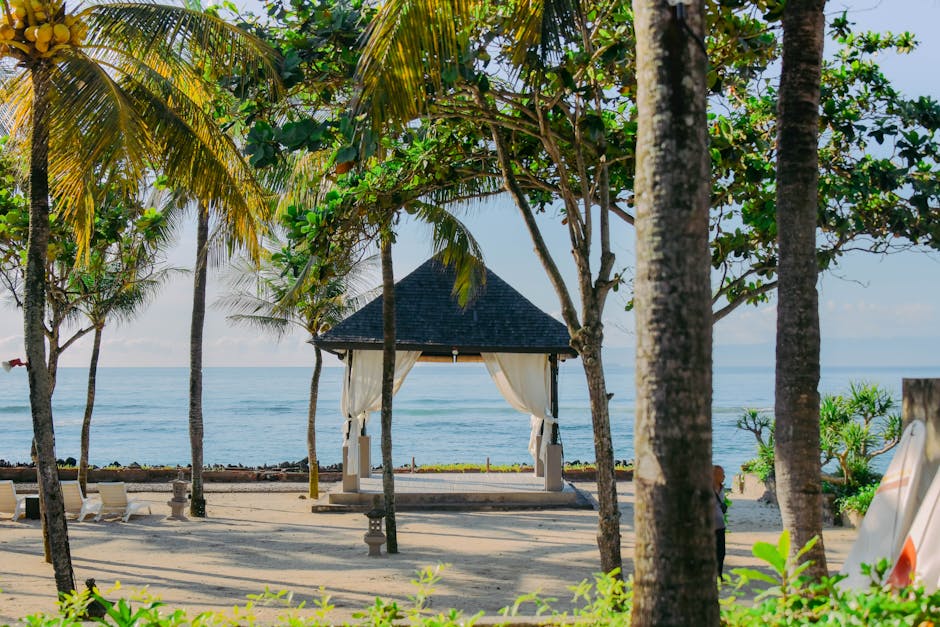
Visit Uluwatu Temple: Perched on a cliff overlooking the Indian Ocean, Uluwatu Temple is a stunning site to watch the sunset and experience a traditional Kecak dance performance.
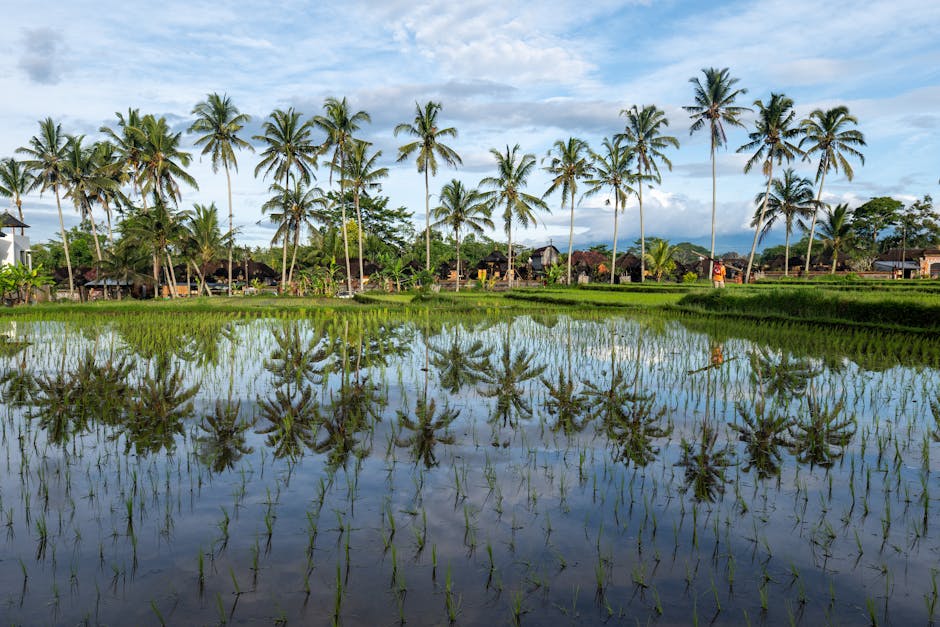
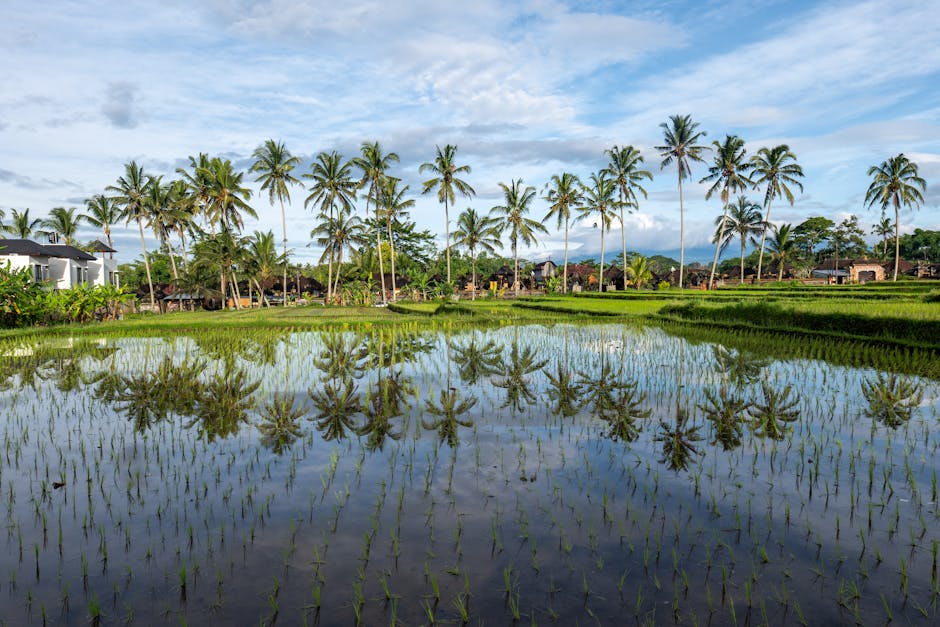
Explore Tegallalang Rice Terraces: Just outside Ubud, these iconic rice terraces are a beautiful representation of Bali’s agricultural heritage. Take a walk through the fields and enjoy the stunning views.
Go Surfing in Kuta: Known for its consistent waves, Kuta Beach is a great spot for both beginners and experienced surfers. Rent a board or take a lesson from a local surf school.
Visit the Sacred Monkey Forest: Located in Ubud, this sanctuary is home to hundreds of playful monkeys and ancient temples. It’s a fun and unique way to connect with nature and wildlife.
Discover Balinese Cooking Classes: Join a local cooking class to learn about traditional Balinese cuisine. You’ll not only prepare delicious dishes but also understand the cultural significance behind them.
Relax at Seminyak Beach: Known for its upscale beach clubs, Seminyak Beach is perfect for lounging, enjoying cocktails, and watching the sunset in style.
Hike Mount Batur: For the adventurous spirit, a sunrise trek up Mount Batur is a must. The views from the summit are breathtaking, and the experience of hiking in the cool morning air is unforgettable.
Explore Jatiluwih Rice Fields: A UNESCO World Heritage site, these expansive rice fields offer a peaceful escape from the crowds. Take a leisurely walk or rent a bicycle to explore the area.
Visit the Tirta Empul Temple: This water temple is famous for its holy spring water, where locals and visitors alike partake in purification rituals. It’s a serene place to learn about Balinese spirituality.
Wander through the Art Markets in Ubud: Ubud is known for its art scene, and the local markets are filled with handcrafted goods, textiles, and art. It’s a great place to find unique souvenirs.
Food and Dining Guide#
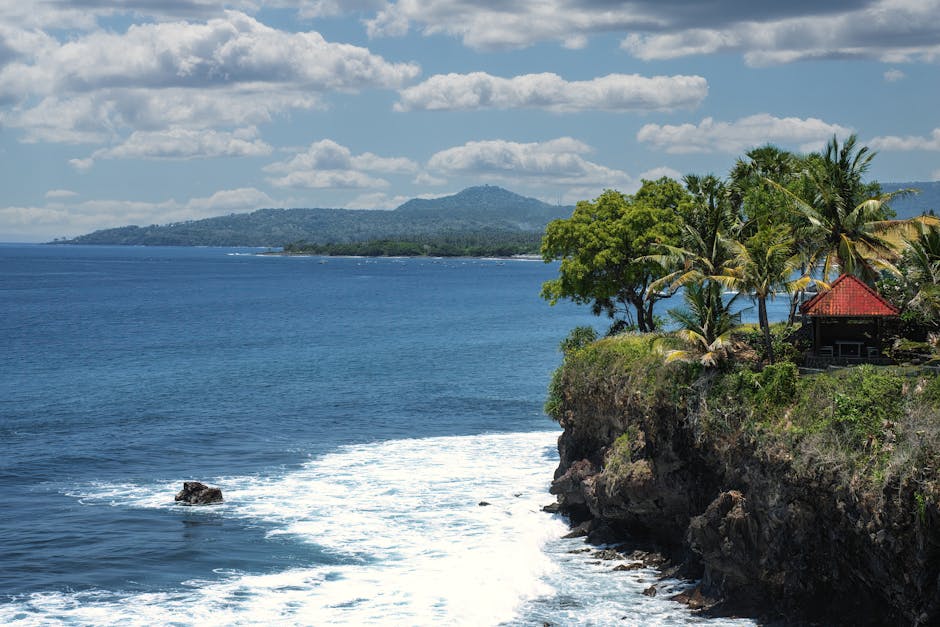
Bali’s culinary scene is a delightful mix of flavors, with influences from Indonesian, Chinese, and Indian cuisines. Here are some local highlights and must-try dishes:
Nasi Goreng: This flavorful fried rice dish is a staple in Indonesian cuisine. Often served with chicken, shrimp, or vegetables, it’s a satisfying meal that can be found at street stalls or restaurants.
Babi Guling: A Balinese specialty, this roasted suckling pig is seasoned with a mix of spices and served with rice and vegetables. It’s often enjoyed during special occasions but can be found at local warungs (small eateries).
Sate Lilit: A twist on traditional satay, this dish features minced meat mixed with coconut and spices, wrapped around lemongrass sticks, and grilled to perfection.
Gado-Gado: A refreshing salad made with boiled vegetables, tofu, and hard-boiled eggs, all drizzled with a rich peanut sauce. It’s a healthy and delicious option for lunch.
Bubur Injin: A traditional Balinese black rice pudding that’s sweetened with coconut milk. It’s a delightful dessert that showcases the island’s unique flavors.
Street food is an essential part of the Balinese experience. While exploring local markets, don’t hesitate to sample various dishes from vendors, as this is often where you’ll find the most authentic flavors. For a sit-down experience, look for restaurants that specialize in traditional Balinese cuisine for a more curated dining experience.
Getting Around Bali#
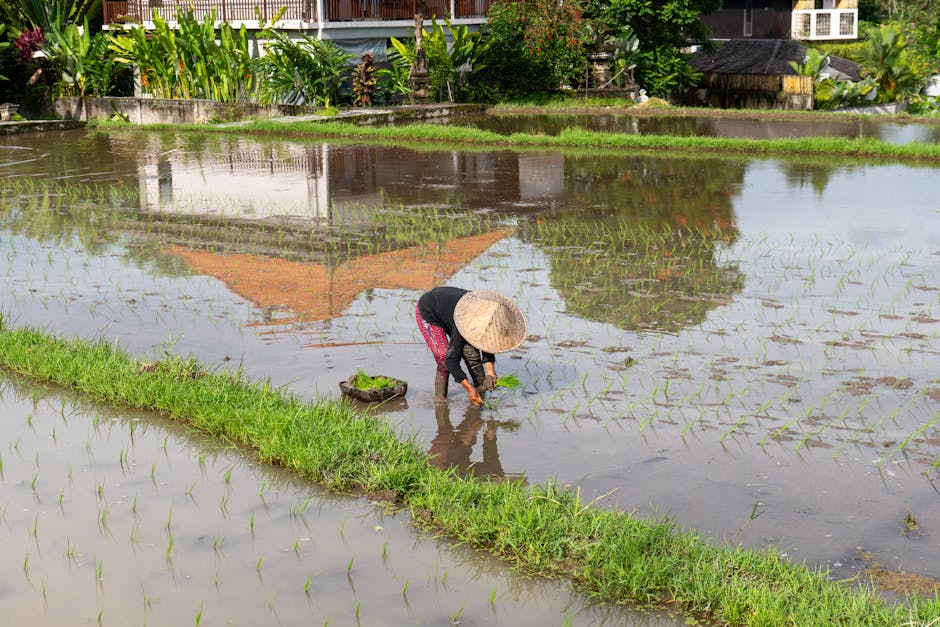
Navigating Bali can be a bit challenging due to its traffic and road conditions, but there are several options available:
Public Transportation: Bali has a limited public transportation system, including bemos (shared minibuses) and local buses. However, they may not be the most convenient for tourists, especially if you’re unfamiliar with the routes.
Taxis and Ride-Sharing: Taxis are widely available, but be sure to agree on a fare before starting your journey, as many drivers do not use meters. Ride-sharing apps are also popular and can be a more reliable option for getting around.
Scooter Rentals: Renting a scooter is a popular way to explore Bali, as it gives you the freedom to navigate the island at your own pace. Just be cautious and ensure you have an international driver’s license, as traffic can be chaotic.
Private Drivers: Hiring a private driver for a day can be an excellent way to see the island, especially if you’re planning to visit multiple attractions. Many drivers are knowledgeable and can provide valuable insights into local culture.
Walking is also a great way to explore neighborhoods, particularly in areas like Ubud and Seminyak, where you can easily access shops, cafes, and local attractions.
Budget Breakdown#
Understanding the costs involved in your Bali trip can help you plan effectively. Here’s a rough daily budget estimate:
Budget Travelers: Expect to spend about $30-50 per day, which includes staying in budget accommodations, eating at local warungs, and using public transportation.
Mid-Range Travelers: A budget of $100-200 per day will allow for comfortable accommodation, dining at a mix of local restaurants and cafes, and partaking in various activities.
Luxury Travelers: For those looking to indulge, a budget of $250 and up per day will afford you high-end accommodations, fine dining experiences, and private transportation.
These estimates can vary based on your travel style, activities, and dining preferences, so it’s always a good idea to plan ahead.
Travel Tips for Bali#
Safety First: While Bali is generally safe for tourists, it’s wise to take common precautions such as avoiding poorly lit areas at night and keeping your belongings secure.
Tipping Etiquette: Tipping is appreciated but not mandatory. Leaving small change or rounding up the bill in restaurants is a common practice.
Language: While many locals speak English, learning a few basic Indonesian phrases can go a long way in enhancing your interactions with Balinese people.
SIM Cards: Consider getting a local SIM card for your phone upon arrival. They are inexpensive and provide reliable data for navigation and communication.
Avoid Scams: Be cautious of overly friendly locals offering unsolicited help, especially in tourist areas. Always agree on prices before accepting services.
Respect Local Customs: Bali is a deeply spiritual place. Dress modestly when visiting temples and be respectful of local customs and traditions.
Stay Hydrated: The tropical climate can be quite hot and humid, so drink plenty of water, especially if you’re out exploring all day.
With its stunning landscapes, rich culture, and culinary delights, Bali offers an unforgettable experience for travelers. Whether you’re lounging on the beach or hiking through rice terraces, embracing the island like a local will ensure you leave with lasting memories. If you’re also considering a trip to Kathmandu, Nepal , check out our guide for more travel inspiration.